

2 lb (900 g) beef steak tips (sirloin tips), cut into 1 1 / 2- to 2-inch pieces
3 tbsp (45 ml) olive oil
3 tbsp (45 ml) soy sauce
1 tbsp (15 ml) Worcestershire sauce
1 tbsp (15 ml) balsamic vinegar or lemon juice
1 tbsp (15 ml) brown sugar or honey
2 tsp Dijon mustard
3 cloves garlic, minced
1 tsp kosher salt, plus more to taste
1 tsp freshly ground black pepper
1 tsp smoked paprika (optional)
1 / 2 tsp red pepper flakes (optional)
1 tbsp (15 g) unsalted butter, for finishing (optional)
1 tbsp (15 ml) chopped fresh parsley or chives, for serving
Neutral oil for grill grates
Metal skewers or soaked wooden skewers (optional)
Make the marinade: In a large bowl, whisk together olive oil, soy sauce, Worcestershire, balsamic or lemon juice, brown sugar, Dijon, garlic, salt, pepper, smoked paprika, and red pepper flakes if using.
Marinate the steak: Pat steak tips dry, add to the bowl, and toss to coat well. Marinate 30 minutes at room temperature or up to 2–12 hours refrigerated. If using wooden skewers, soak them in water for at least 30 minutes.
Preheat the grill to high heat (450–550°F). Clean and oil the grates with a paper towel dipped in neutral oil and held with tongs.
Prep for grilling: Remove steak tips from the marinade, letting excess drip off; discard any leftover marinade. For kebab-style, thread onto skewers, leaving a little space between pieces. Lightly pat the surface dry for better searing.
Grill direct over high heat: Place steak tips on the hot grates. Cook 2–3 minutes per side, turning every 1–2 minutes to build an even crust, about 6–8 minutes total for medium-rare (pull at 125–130°F). For medium, cook to 135–140°F; for medium-well, 145–150°F. Move pieces to a cooler zone if flare-ups occur.
Optional finish: During the last minute, add the butter to the grill-safe surface or a pan and toss the steak tips in it, or transfer the hot steak tips to a bowl with the butter and herbs to coat.
Rest the meat: Transfer to a plate and tent loosely with foil for 5 minutes.
Finish and serve: Sprinkle with a pinch of kosher or flaky salt and the chopped herbs. Serve with grilled vegetables, salad, rice, or potatoes; chimichurri or garlic butter pairs well.

4 lamb shanks (about 12 to 16 oz / 340 to 450 g each)
2 tsp kosher salt, plus more to taste
1 tsp freshly ground black pepper
2 tbsp (30 ml) olive oil
1 large onion, diced
2 carrots, diced
2 celery stalks, diced
6 garlic cloves, smashed
2 tbsp (30 ml) tomato paste
1 tbsp (8 g) all-purpose flour (optional, for thickening)
1 1 / 2 cups (360 ml) dry red wine
2 1 / 2 cups (600 ml) beef or chicken stock
1 cup (240 ml) crushed tomatoes or passata (optional)
2 sprigs fresh rosemary
4 sprigs fresh thyme (or 1 tsp dried thyme)
2 bay leaves
1 tsp smoked paprika (optional)
1 tbsp (15 ml) balsamic vinegar or 2 tsp (10 ml) Worcestershire sauce (optional, to finish)
Zest of 1 lemon and 2 tbsp (8 g) chopped flat-leaf parsley (optional, for gremolata)
For serving: mashed potatoes, creamy polenta, or couscous
Preheat oven to 325 F (160 C). Pat the lamb shanks dry and season all over with 2 teaspoons salt and 1 teaspoon pepper.
Heat the olive oil in a large, heavy Dutch oven over medium-high heat. Sear the shanks until deeply browned on all sides, 3 to 4 minutes per side. Transfer to a plate.
Reduce heat to medium. Add onion, carrot, and celery with a pinch of salt. Cook, stirring, until softened and lightly browned, 6 to 8 minutes. Add the garlic and cook 1 minute more.
Stir in tomato paste and the flour (if using). Cook, stirring, until the paste darkens slightly and the vegetables are coated, 1 to 2 minutes.
Pour in the red wine, scraping up any browned bits from the bottom. Simmer until reduced by about half, 3 to 5 minutes.
Add the stock, crushed tomatoes (if using), rosemary, thyme, bay leaves, and smoked paprika (if using). Return the shanks and any accumulated juices to the pot, nestling them into the liquid. The liquid should come about halfway up the meat; add a bit more stock or water if needed. Bring to a gentle simmer.
Cover and transfer to the oven. Braise for 2 1/2 to 3 hours, turning the shanks once halfway through, until the meat is very tender and nearly falling off the bone.
Transfer the shanks to a warm platter and tent with foil. Discard herb stems and bay leaves. Skim excess fat from the surface of the sauce. For a smoother sauce, blend it with an immersion blender or pass through a sieve.
Place the pot back over medium heat and simmer the sauce 5 to 10 minutes to reduce to a glossy, spoon-coating consistency. Adjust seasoning with salt and pepper; add balsamic vinegar or Worcestershire (or a squeeze of lemon) to brighten, if desired.
Optional gremolata: Toss the lemon zest with the chopped parsley.
Serve the lamb shanks over mashed potatoes, polenta, or couscous. Spoon plenty of sauce over the top and finish with the gremolata if using.

4 small heads Belgian endive, leaves separated
1 medium fennel bulb, cored and very thinly sliced (about 2 cups / 150 g)
1 crisp apple (e.g., Honeycrisp), cut into fine matchsticks
1 celery stalk, thinly sliced
1 tsp fresh thyme leaves, chopped
1 / 3 cup toasted walnuts, chopped (about 35 g)
1 oz aged sharp cheddar, shaved or finely grated (optional)
Fennel fronds, for garnish (optional)
1 tbsp apple cider vinegar
1 tbsp fresh lemon juice
1 tsp Dijon mustard
1 tsp maple syrup or honey
3 tbsp extra-virgin olive oil
1 / 4 tsp fine sea salt, plus more to taste
1 / 8 tsp freshly ground black pepper
Toast the walnuts in a dry skillet over medium heat, stirring, until fragrant and lightly browned, 3–4 minutes. Cool and chop.
In a small bowl, whisk together the apple cider vinegar, lemon juice, Dijon, and maple syrup. Slowly whisk in the olive oil until emulsified; season with the salt and pepper.
In a mixing bowl, combine the sliced fennel, apple matchsticks, celery, thyme, and half the walnuts. Add just enough vinaigrette to lightly coat and toss gently. Taste and adjust seasoning.
Arrange endive leaves on a platter. Spoon the slaw into each leaf, packing lightly so it holds but stays crisp.
Finish with the remaining walnuts, a sprinkle of cheddar (if using), and fennel fronds. Serve immediately or chill up to 30 minutes before serving.

2 lb (900 g) large shrimp (16 / 20 count), shell-on, deveined
1 1 / 2 tsp kosher salt, divided
3 / 4 tsp baking soda (optional, for snappier texture)
2 tbsp (30 ml) olive oil
8 tbsp (1 stick / 115 g) unsalted butter, cold, cubed, divided
6 garlic cloves, minced
2 tsp coarsely ground black pepper
2 tsp smoked paprika
1 / 2 tsp cayenne pepper (or to taste)
1 tsp Creole or Cajun seasoning (preferably low-sodium)
1 tsp dried oregano
1 tsp fresh thyme leaves (or 1 / 2 tsp dried)
1 small rosemary sprig (optional)
3 tbsp (45 ml) Worcestershire sauce
1 / 2 cup (120 ml) lager beer or low-sodium chicken stock
2 tbsp (30 ml) fresh lemon juice
Zest of 1 lemon
2 tsp hot sauce (e.g., Crystal or Tabasco)
1 tsp light brown sugar (optional, balances heat)
2 tbsp (8 g) chopped fresh parsley
2 scallions, thinly sliced
Lemon wedges, for serving
Crusty bread or cooked rice, for serving
Prep the shrimp: Pat shrimp very dry with paper towels. Toss with 1 tsp of the kosher salt and the baking soda (if using). Refrigerate 15 minutes while you gather the remaining ingredients.
Start the pan: Heat a large skillet over medium-high until hot. Add olive oil and 2 tbsp of the butter. When butter foams, add shrimp in a single layer. Sear 45–60 seconds per side until just starting to turn pink; do not fully cook. Transfer to a plate.
Build the sauce: Reduce heat to medium. Add garlic and cook 30 seconds until fragrant. Sprinkle in black pepper, smoked paprika, cayenne, Creole seasoning, oregano, and thyme; stir 20–30 seconds to bloom spices.
Deglaze and reduce: Add beer (or stock), Worcestershire, lemon juice, lemon zest, hot sauce, and brown sugar (if using). Add rosemary sprig. Simmer 2–3 minutes, scraping up any browned bits, until slightly reduced.
Finish the shrimp: Return the par-cooked shrimp and any juices to the skillet. Toss and cook 1–2 minutes until shrimp are just opaque and cooked through. Remove rosemary.
Emulsify: Take the pan off heat. Whisk in the remaining 6 tbsp cold butter, a few cubes at a time, until the sauce turns glossy and slightly thick. Taste and adjust with remaining 1/2 tsp salt, more lemon, or hot sauce as desired.
Garnish and serve: Stir in parsley and most of the scallions. Transfer to a warm serving dish, sprinkle with remaining scallions, and serve immediately with lemon wedges and plenty of crusty bread (or over rice) to soak up the sauce.

3 heads Belgian endive, leaves separated and trimmed
1 medium crisp apple (e.g., Honeycrisp or Granny Smith), cored and matchsticked
1 small fennel bulb, cored and very thinly sliced (reserve fronds)
6 radishes, very thinly sliced
2 tbsp (30 ml) lemon juice, divided
2 tbsp (30 ml) extra-virgin olive oil
1 tbsp (15 ml) Dijon mustard
2 tsp (10 ml) honey
1 tbsp (15 ml) apple cider vinegar
1 / 4 tsp kosher salt, plus more to taste
Freshly ground black pepper, to taste
2 tbsp (15 g) chopped toasted walnuts (optional)
2 tbsp (8 g) chopped fresh parsley and/or fennel fronds
In a small bowl, whisk together olive oil, Dijon mustard, honey, apple cider vinegar, 1 tablespoon lemon juice, salt, and several grinds of black pepper until emulsified.
In a medium bowl, toss apple matchsticks with the remaining 1 tablespoon lemon juice to prevent browning. Add sliced fennel and radishes; gently toss with half the dressing to lightly coat. Taste and adjust seasoning with salt and pepper.
Arrange endive leaves on a platter. Spoon a small mound of the apple-fennel-radish mixture into each leaf.
Drizzle the remaining dressing over the filled leaves. Sprinkle with chopped toasted walnuts (if using) and the parsley/fennel fronds.
Serve immediately for optimal crunch.

1 1 / 2 lb (680 g) chicken tenderloins or chicken breasts cut into strips
1 tsp kosher salt
1 / 2 tsp black pepper
1 tsp garlic powder
1 tsp paprika (sweet or smoked)
1 / 2 cup (65 g) all-purpose flour
2 large eggs
2 tbsp milk or water
1 1 / 2 cups (90 g) panko breadcrumbs
1 / 3 cup (30 g) finely grated Parmesan cheese (optional)
2 tbsp olive oil (plus cooking spray or extra oil for the pan)
1 / 3 cup (110 g) honey
1 / 4 cup (60 g) Dijon mustard
1 tbsp yellow mustard (optional)
1 / 4 cup (60 g) mayonnaise or plain Greek yogurt
1 tbsp apple cider vinegar or lemon juice
1 small garlic clove, finely grated or minced (optional)
Pinch cayenne pepper or a few dashes hot sauce (to taste)
Salt and black pepper (to taste, for the sauce)
Preheat the oven to 425°F (220°C). Line a sheet pan with foil and set a wire rack on top. Lightly oil or spray the rack.
Pat the chicken dry. Season evenly with the salt, black pepper, garlic powder, and paprika.
Set up a breading station in three shallow bowls: (1) flour, (2) eggs whisked with the milk or water, (3) panko mixed with Parmesan (if using). Drizzle the olive oil over the panko and toss to evenly coat the crumbs.
Dredge each chicken piece in flour, shaking off excess; dip in egg, letting excess drip; then press into the oiled panko to coat thoroughly.
Arrange the breaded tenders on the prepared rack. Lightly mist or drizzle the tops with a little oil for extra crispness.
Bake 14–18 minutes, flipping once halfway, until golden and the internal temperature reaches 165°F (74°C). If needed, broil for 1–2 minutes at the end to deepen color.
While the chicken bakes, make the honey mustard: whisk together honey, Dijon, yellow mustard (if using), mayonnaise or Greek yogurt, vinegar or lemon juice, garlic (if using), and cayenne or hot sauce. Season to taste with salt and pepper.
Let the tenders rest 2–3 minutes. Serve warm with the honey mustard for dipping.

4 beef cube steaks (4–6 oz / 115–170 g each, about 1 / 2 inch thick)
1 1 / 2 tsp kosher salt, divided
1 tsp freshly ground black pepper, divided
2 cups (240 g) all-purpose flour, plus 3 tbsp for gravy
1 / 2 cup (60 g) cornstarch
1 tsp baking powder
1 tsp paprika
1 tsp garlic powder
1 / 2 tsp onion powder
1 / 4 to 1 / 2 tsp cayenne pepper (optional)
2 large eggs
1 cup (240 ml) buttermilk
1 tbsp hot sauce (optional)
Neutral oil for frying (about 2 cups / 480 ml; enough for 1 / 4-inch depth)
2 to 2 1 / 2 cups (480 to 600 ml) whole milk, warmed
1 / 2 tsp kosher salt, plus more to taste
1 tsp freshly ground black pepper, or to taste
Pinch of cayenne or paprika (optional)
1. Prep the steaks: Pat the cube steaks dry. Season both sides with about 1 teaspoon salt and 1/2 teaspoon pepper. Let sit 10 minutes at room temperature. If using non-tenderized round steak, pound to about 1/2 inch thick.
2. Set up dredging station: In a shallow dish, combine 2 cups flour, cornstarch, baking powder, paprika, garlic powder, onion powder, cayenne (if using), and the remaining 1/2 teaspoon salt and 1/2 teaspoon pepper. In a second dish, whisk the eggs, buttermilk, and hot sauce (if using). Place a wire rack over a sheet pan.
3. Dredge: Working one steak at a time, press into the flour mixture to coat, shake off excess, dip into the egg mixture, let excess drip, then press firmly back into the flour mixture, packing it on for a craggy crust. Set on the rack and repeat with remaining steaks.
4. Rest the breaded steaks: Let the coated steaks rest on the rack 10–15 minutes so the crust adheres. Meanwhile, heat the oven to 200°F to keep finished steaks warm.
5. Heat the oil: In a large heavy skillet (cast iron preferred), add oil to about 1/4-inch depth and heat over medium to medium-high until 350°F. If you don’t have a thermometer, a pinch of flour should sizzle immediately and turn light golden in about 60 seconds.
6. Fry: Cook 1–2 steaks at a time without crowding, 3–4 minutes per side, until deep golden brown and crisp. Adjust heat to maintain 325–350°F. Transfer to a clean rack and keep warm in the 200°F oven. Repeat with remaining steaks.
7. Make the gravy: Pour off all but 3 tablespoons of pan drippings. Sprinkle in 3 tablespoons flour and whisk over medium heat for 1–2 minutes until foamy and blond. Gradually whisk in 2 cups warm milk until smooth.
8. Thicken and season: Simmer, whisking, until thick and silky, 3–5 minutes. Thin with more milk as needed. Season with 1/2 teaspoon salt, plenty of black pepper, and a pinch of cayenne or paprika to taste.
9. Serve: Plate the steaks and ladle hot cream gravy over the top. Serve immediately, ideally with mashed potatoes and green beans.

2 English cucumbers (or 6 to 8 Persian cucumbers), ends trimmed
1 / 2 tsp kosher salt
1 1 / 2 tbsp (22 ml) Chinkiang black vinegar (or 1 tbsp (15 ml) rice vinegar plus 1 / 2 tsp balsamic vinegar)
1 tbsp (15 ml) low-sodium soy sauce
1 tsp granulated sugar or honey
1 tsp toasted sesame oil
1 tsp finely grated fresh ginger
1 small garlic clove, finely grated
1 to 2 tsp chili crisp or chili oil (optional)
2 tbsp (30 ml) roasted peanuts, coarsely chopped
2 scallions, thinly sliced
1 tbsp (15 ml) toasted sesame seeds
Small handful cilantro leaves (optional)
Use a vegetable peeler to shave cucumbers into long ribbons (or slice thinly into coins). Place in a colander, sprinkle with the salt, and toss. Let drain 10 to 15 minutes to draw out excess water.
Meanwhile, whisk together the black vinegar, soy sauce, sugar or honey, toasted sesame oil, ginger, garlic, and chili crisp or chili oil (if using) until the sugar dissolves.
Gently squeeze the cucumbers to remove excess moisture, then pat dry with paper towels.
Toss cucumbers with the dressing until evenly coated. Chill for 10 minutes to let flavors meld.
Taste and adjust: add a splash more vinegar for brightness, soy for salt, or chili for heat.
Transfer to a serving plate and top with roasted peanuts, scallions, sesame seeds, and cilantro (if using). Serve chilled within 30 minutes for best crunch.

1 / 2 cup (120 ml) neutral oil (vegetable or canola)
1 / 2 cup (60 g) all-purpose flour
1 large yellow onion, diced (about 2 cups / 300 g)
1 green bell pepper, diced (about 1 cup / 150 g)
3 ribs celery, diced (about 1 cup / 120 g)
4 cloves garlic, minced
2 cups (200 g) sliced okra (fresh or frozen)
6 cups (1.4 L) seafood stock (or a mix of stock and water)
1 lb (450 g) large shrimp, peeled and deveined (shells reserved)
8–12 oz (225–340 g) lump crabmeat, picked free of shells
1 pint (470 ml) shucked oysters with liquor, liquor reserved
8 oz (225 g) firm white fish (such as snapper or grouper), cut into 1-inch pieces (optional)
2 bay leaves
1 tsp dried thyme
2 tsp paprika
1 / 2 tsp cayenne pepper, plus more to taste
1 tsp freshly ground black pepper
1 1 / 2 tsp kosher salt, plus more to taste
2 tsp Worcestershire sauce
1 tbsp hot sauce, plus more to serve
2 tbsp chopped fresh parsley, plus more for garnish
4 green onions, thinly sliced
2 tsp filé powder, plus more to serve
1 tbsp lemon juice
1 tbsp neutral oil (for sautéing okra)
Cooked long-grain white rice, for serving
Prep the seafood: Peel and devein the shrimp, reserving the shells. Pat shrimp dry and keep chilled. Pick through the crabmeat for shell fragments. If using fish, cut into 1-inch pieces. Drain oysters and reserve their liquor.
Warm the stock: In a saucepan, combine the seafood stock with the reserved shrimp shells and gently simmer 15 minutes to boost flavor. Strain and keep the stock warm over low heat.
Make the roux: In a heavy pot or Dutch oven over medium to medium-low heat, whisk together 1/2 cup oil and 1/2 cup flour. Cook, stirring constantly and scraping the bottom, until the roux reaches a deep chocolate/mahogany color, 30–45 minutes. Adjust heat as needed to prevent scorching.
Build the base: Stir in the onion, bell pepper, and celery. Cook, stirring, until softened and fragrant, 5–7 minutes. Add the garlic and cook 1 minute more.
Add liquid gradually: While whisking, slowly ladle in the warm stock (and the reserved oyster liquor, if using), stirring to smooth out the roux. Bring to a gentle simmer.
Season and simmer: Add bay leaves, thyme, paprika, cayenne, black pepper, Worcestershire, and 1 1/2 teaspoons kosher salt. Simmer uncovered on low, stirring occasionally, 30–45 minutes to develop flavor.
Cook the okra: In a separate skillet, heat 1 tablespoon oil over medium-high. Add okra and sauté until lightly browned and most of the viscosity is reduced, 8–10 minutes. Stir the okra into the simmering pot.
Add seafood in stages: If using fish, add it first and simmer 5–6 minutes. Add shrimp and cook until pink and just opaque, 3–4 minutes. Gently fold in crab and oysters and cook 2–3 minutes more, just until oysters curl and crab is heated through. Avoid vigorous boiling.
Finish the gumbo: Remove from heat. Stir in filé powder, parsley, lemon juice, and half the green onions. Taste and adjust seasoning with more salt, cayenne, and hot sauce as desired. Remove bay leaves.
Serve: Spoon gumbo over warm cooked white rice. Garnish with remaining green onions and additional parsley. Offer extra filé powder and hot sauce at the table.

3 heads Belgian endive, leaves separated
1 small English cucumber, seeded and finely diced
1 Granny Smith apple, finely diced
6 radishes, thinly sliced or cut into matchsticks
2 tbsp very finely minced red onion
2 tbsp fresh dill, chopped, divided
1 tbsp fresh chives, thinly sliced
1 lemon, zested and juiced
1 tbsp extra-virgin olive oil
1/4 tsp caraway seeds, lightly crushed (optional)
Kosher salt to taste
Freshly ground black pepper to taste
1/2 cup Greek yogurt
1 to 2 tsp prepared horseradish, to taste
1 tsp Dijon mustard
1/2 tsp honey (optional, to balance)
2 tbsp toasted walnuts, finely chopped (optional)
1. Separate and rinse the endive leaves; pat dry and refrigerate to keep crisp.
2. Make the dill-horseradish yogurt: In a small bowl, whisk Greek yogurt, horseradish, Dijon, lemon zest, 1 teaspoon lemon juice, honey (if using), a pinch of salt, and a few grinds of pepper. Adjust horseradish and lemon to taste; set aside.
3. Prepare the salad: In a medium bowl, combine cucumber, apple, radishes, red onion, chives, half the dill, and caraway (if using). Add 1 to 2 tablespoons lemon juice, olive oil, 1/4 teaspoon salt, and pepper to taste; toss well and let stand 5 minutes to lightly marinate.
4. Assemble: Spread a small smear of the dill-horseradish yogurt inside each endive leaf. Spoon the cucumber-apple radish salad into the leaves. Drizzle or dot with a little more yogurt.
5. Finish with remaining dill and toasted walnuts (if using). Serve immediately while crisp and chilled.

2 to 2 1/2 lb (900 to 1,125 g) beef chuck, cut into 1-inch cubes
2 tbsp (30 ml) neutral oil (vegetable or canola)
1 large yellow onion, diced
1 green bell pepper, diced
3 cloves garlic, minced
2 medium tomatoes, diced (or 1 can diced tomatoes, 14.5 oz / 411 g, drained)
1 to 2 jalapeños, seeded and diced (optional)
2 cups (480 ml) low-sodium beef broth
1/2 cup (120 ml) water or beer
2 tbsp (30 ml) tomato paste
2 tsp ground cumin
2 tsp chili powder
1 tsp dried oregano (preferably Mexican oregano)
1 tsp smoked paprika (optional)
1 bay leaf
2 tsp kosher salt, divided, plus more to taste
3/4 tsp freshly ground black pepper
2 medium russet potatoes, peeled and cut into 1-inch cubes (optional)
1 tbsp (15 ml) Worcestershire sauce (optional)
2 tbsp (16 g) all-purpose flour
1/3 cup (80 ml) cold water (for slurry)
1 tbsp (15 ml) apple cider vinegar or fresh lime juice, to finish
Chopped cilantro, for garnish (optional)
Warm flour tortillas, for serving
1. Pat the beef dry with paper towels. Season with 1 teaspoon of the salt and all of the black pepper.
2. Heat the oil in a heavy pot or Dutch oven over medium-high heat. Sear the beef in batches until well browned on at least two sides, 6–8 minutes per batch. Transfer browned beef to a plate.
3. Reduce heat to medium. Add the onion, bell pepper, and jalapeño (if using). Sauté until softened and lightly golden, 5–7 minutes. Add the garlic and cook 30–60 seconds until fragrant.
4. Stir in the tomato paste, cumin, chili powder, oregano, and smoked paprika (if using). Cook, stirring, 1 minute to bloom the spices.
5. Pour in the beef broth and water or beer, scraping up any browned bits from the bottom. Return the beef and any accumulated juices to the pot. Add the tomatoes, bay leaf, and Worcestershire (if using). Bring to a gentle boil.
6. Reduce to a low simmer, cover, and cook until the beef is beginning to get tender, about 1 1/2 hours, stirring occasionally.
7. Add the potatoes (if using) and the remaining 1/2 teaspoon salt. Continue simmering, covered, until the beef and potatoes are very tender, 30–40 minutes more.
8. Make a slurry by whisking the flour with the 1/3 cup cold water until smooth. Stir the slurry into the stew and simmer uncovered, stirring, until the gravy thickens and loses any raw flour taste, 5–10 minutes. If too thick, loosen with a splash of broth or water; if too thin, simmer a bit longer.
9. Remove the bay leaf. Stir in the vinegar or lime juice. Taste and adjust seasoning with additional salt and pepper as needed.
10. Serve hot with warm flour tortillas, rice, and beans. Garnish with chopped cilantro if desired.

1 1 / 2 lb / 680 g small squid, cleaned (bodies and tentacles)
1 cup (240 ml) buttermilk or whole milk
1 1 / 2 cups (180 g) all-purpose flour
1 / 2 cup (60 g) rice flour or fine cornmeal
1 tsp baking powder (optional)
1 tsp kosher salt, plus more for finishing
1 / 2 tsp freshly ground black pepper
1 tsp paprika (sweet or smoked)
1 / 2 tsp garlic powder
1 / 4 tsp cayenne pepper (optional)
Neutral high-heat oil for frying (peanut, canola, or vegetable; enough for 2–3 inches in the pot, about 1 1 / 2 to 2 qt / 1.5 to 2 L)
1 lemon, cut into wedges
2 tbsp (8 g) chopped fresh parsley (optional, for garnish)
Marinara sauce or garlic aioli, for serving
Prep the squid: If whole, pull the head from the mantle, remove the clear quill and innards, peel off the thin purple skin if desired, and trim out and discard the beak. Rinse well and pat very dry. Slice the bodies into 1/2-inch rings; leave tentacles whole. If using pre-cleaned squid, rinse and dry thoroughly.
Soak: Place the rings and tentacles in the buttermilk and refrigerate for 20–30 minutes (up to 2 hours). This tenderizes and helps the coating adhere.
Make the dredge: In a large bowl, whisk together the all-purpose flour, rice flour (or cornmeal), baking powder, 1 teaspoon kosher salt, black pepper, paprika, garlic powder, and cayenne (if using).
Heat the oil: Pour oil into a heavy pot or deep skillet to a depth of 2–3 inches. Heat to 350°F/175°C. Set a wire rack over a sheet pan and line with paper towels.
Dredge: Drain the squid from the buttermilk, letting excess drip off. Working in batches, toss the squid in the flour mixture until well coated. Shake off excess coating.
Fry: Fry in small batches without crowding until lightly golden and just cooked through, about 45–90 seconds per batch. Tentacles may cook slightly faster. Maintain the oil between 340–360°F, allowing it to return to temperature between batches.
Season: Use a spider or slotted spoon to transfer fried calamari to the prepared rack. Immediately sprinkle with a pinch of kosher salt (and a little extra paprika if desired).
Serve: Pile onto a warm platter. Garnish with chopped parsley and serve right away with lemon wedges and marinara or garlic aioli.
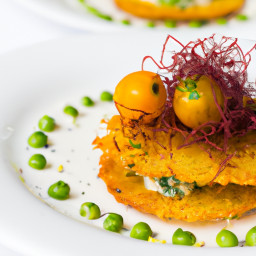
2 firm green tomatoes, sliced into 1 / 2-inch rounds
1 cup (240 ml) buttermilk
2 tsp hot sauce
1 cup (120 g) fine yellow cornmeal
1 / 2 cup (60 g) all-purpose flour
1 tsp kosher salt, plus more for finishing
1 / 2 tsp freshly ground black pepper
1 / 2 tsp smoked paprika
1 / 2 tsp garlic powder
About 1 cup (240 ml) neutral oil for shallow frying
1 / 2 cup (120 g) mayonnaise
1 tbsp Creole or whole-grain mustard
1 tbsp fresh lemon juice
1 tsp prepared horseradish (optional)
1 small garlic clove, finely grated
1 tbsp capers, chopped
2 tbsp fresh parsley, minced
1 tsp hot sauce
1 / 2 tsp paprika
1 / 4 tsp celery seed
Pinch of salt and pepper, to taste
2 tbsp thinly sliced green onions (for garnish)
Lemon wedges, for serving
Make the rémoulade: In a bowl, whisk together mayonnaise, mustard, lemon juice, horseradish (if using), grated garlic, capers, parsley, hot sauce, paprika, celery seed, and a pinch of salt and pepper. Cover and refrigerate until serving.
Marinate the tomatoes: In a shallow dish, combine buttermilk and hot sauce. Add tomato slices and turn to coat; let sit 10 minutes while you prepare the dredge.
Prepare the dredge: In another shallow dish, mix cornmeal, flour, kosher salt, black pepper, smoked paprika, and garlic powder.
Dredge: Lift each tomato slice from the buttermilk, let excess drip off, then press into the cornmeal mixture to coat on both sides. Set on a wire rack for 5 minutes to help the crust adhere.
Fry: Pour oil into a large skillet to a depth of about 1/4 inch and heat to 350°F (175°C). Fry tomato slices in batches 2–3 minutes per side until deep golden and crisp. Transfer to a rack to drain and sprinkle lightly with salt.
Assemble the stacks: Place one fried tomato on a platter, add a small dollop of rémoulade, top with another tomato slice, then a small dot of sauce. Repeat to form 6–8 two-layer stacks.
Garnish and serve: Sprinkle with sliced green onions and serve immediately with lemon wedges and extra rémoulade for dipping.

1 lb (450 g) raw shrimp, peeled and deveined (medium or large)
1 tbsp (15 ml) fresh lime juice (for shrimp)
1 tbsp (15 ml) olive oil (for shrimp)
2 tsp chili powder
1 tsp ground cumin
1 tsp smoked paprika
2 cloves garlic, minced
1 / 2 tsp kosher salt, plus more to taste
1 / 4 tsp freshly ground black pepper
2 cups (180 g) finely shredded cabbage (green or red)
1 / 4 cup (30 g) thinly sliced red onion
1 / 4 cup (15 g) chopped fresh cilantro, plus more for serving
1 small jalapeño, seeded and minced (optional)
2 tbsp (30 ml) mayonnaise or Greek yogurt (for slaw)
2 tbsp (30 ml) fresh lime juice (for slaw)
1 tsp honey (or sugar)
8 small corn tortillas
1 tbsp (15 ml) olive oil (for cooking)
1 ripe avocado, sliced
1 / 3 cup (45 g) crumbled Cotija or feta (optional)
Hot sauce, to taste
Lime wedges, for serving
Make the slaw: In a bowl, whisk 2 tbsp lime juice, mayonnaise or Greek yogurt, honey, and a pinch of salt. Toss with cabbage, red onion, cilantro, and jalapeño (if using). Let sit 10 minutes to lightly soften.
Season the shrimp: Pat shrimp dry. In a bowl, combine shrimp with 1 tbsp olive oil, 1 tbsp lime juice, chili powder, cumin, smoked paprika, minced garlic, 1/2 tsp salt, and black pepper. Marinate 10 minutes while the slaw rests.
Warm the tortillas: Heat a dry skillet over medium and warm tortillas 30–45 seconds per side until pliable. Stack and keep wrapped in a clean towel.
Cook the shrimp: Heat 1 tbsp olive oil in a large skillet over medium-high. Add shrimp in a single layer and cook 1–2 minutes per side until pink, opaque, and just curled. Remove from heat.
Assemble: Fill warm tortillas with slaw and shrimp. Top with avocado, Cotija (if using), extra cilantro, and hot sauce. Squeeze lime over the top.
Serve immediately. Makes about 8 tacos (3–4 servings).
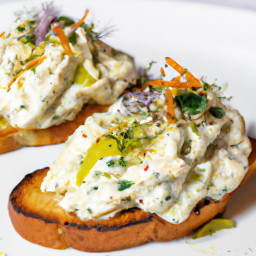
1 small celeriac (about 1 lb / 450 g), peeled and julienned
1 tart green apple (such as Granny Smith), julienned
3 tbsp (45 ml) fresh lemon juice, divided
1 / 3 cup (80 ml) crème fraîche
2 tbsp (30 ml) mayonnaise
2 tsp Dijon mustard
1 tsp whole-grain mustard
1 tbsp (15 ml) capers, drained and finely chopped
2 tbsp (30 ml) finely chopped cornichons
2 tbsp (30 ml) finely chopped fresh parsley
1 tbsp (15 ml) thinly sliced fresh chives
1 tsp white wine vinegar
1 / 4 tsp fine sea salt, plus more to taste
1 / 8 tsp freshly ground white pepper
1 small baguette, sliced 1 / 2 inch (1.25 cm) thick (16–20 slices)
2 tbsp (30 ml) extra-virgin olive oil
In a large bowl, toss the julienned celeriac and apple with 1 tablespoon lemon juice and a pinch of salt to prevent browning; set aside.
In a separate bowl, whisk together crème fraîche, mayonnaise, Dijon, whole-grain mustard, remaining 2 tablespoons lemon juice, white wine vinegar, capers, cornichons, parsley, and chives. Season with sea salt and white pepper.
Fold the celeriac and apple into the dressing until evenly coated. Let sit 10–15 minutes to lightly soften and meld flavors.
Meanwhile, heat the oven to 400°F (205°C). Brush baguette slices with olive oil, arrange on a sheet pan, and toast 6–8 minutes until golden at the edges; cool slightly.
Taste the remoulade and adjust seasoning with more salt or lemon as needed for a bright, tangy balance.
Spoon a generous mound of remoulade onto each toast. Serve immediately while the toasts are crisp.

1 lb (450 g) ground lamb, 80–85% lean
1 small onion (3.5 oz / 100 g), finely grated, excess liquid squeezed out
3 cloves garlic, finely minced or grated
1 / 2 cup (15 g) finely chopped fresh parsley
2 tbsp finely chopped fresh mint
2 tsp ground cumin
2 tsp ground coriander
1 tsp smoked paprika (or sweet paprika)
1 / 4 tsp ground cinnamon
1 / 4 tsp ground allspice (optional)
1 / 2 tsp red pepper flakes (adjust to taste)
1 tsp freshly ground black pepper
1 1 / 2 tsp kosher salt (use 1 tsp if using fine table salt)
1 / 2 tsp baking soda dissolved in 1 tbsp (15 ml) water (optional, for tenderness)
1 tbsp (15 ml) olive oil, plus more for brushing
8 metal or soaked wooden skewers
For serving: warm flatbreads, lemon wedges, sliced red onion, chopped parsley, tomato, cucumber
Yogurt-Tahini Sauce (optional):
1 cup (240 g) plain Greek yogurt
2 tbsp (30 ml) tahini
1 tbsp (15 ml) lemon juice
1 small garlic clove, grated
1–2 tbsp (15–30 ml) water to thin
Salt and pepper to taste
If using wooden skewers, soak them in water for at least 30 minutes to prevent burning.
Prepare aromatics: Finely grate the onion and squeeze out most of the liquid with your hands or a towel. Mince or grate the garlic. Finely chop the parsley and mint.
Make the kofta mixture: In a large bowl combine ground lamb, grated onion (pulp only), garlic, parsley, mint, cumin, coriander, paprika, cinnamon, allspice (if using), red pepper flakes, black pepper, salt, baking soda slurry (if using), and 1 tbsp olive oil.
Mix thoroughly: Using your hand, mix and knead the meat until it becomes sticky and cohesive, about 1–2 minutes. This helps it cling to skewers and hold shape. Cover and chill 20–30 minutes to firm up.
Optional sauce: In a small bowl whisk yogurt, tahini, lemon juice, grated garlic, a pinch of salt and pepper, and enough water to reach a spoonable consistency. Chill until serving.
Shape: Lightly oil your hands. Divide meat into 8 portions. Mold each portion around a skewer into a long oval (about 4–5 inches/10–12 cm) or shape into torpedoes/oval patties if not using skewers. Aim for about 3/4–1 inch (2–2.5 cm) thickness for even cooking.
Preheat: Heat a grill to medium-high (425–450°F / 220–230°C). Alternatively, preheat the broiler with rack 6 inches (15 cm) from the element, or heat a cast-iron skillet over medium-high and film with oil.
Cook: Grill, broil, or pan-sear the kofta, turning every 2–3 minutes, until well browned with some char and cooked through—about 8–10 minutes total on the grill or under the broiler, or 3–4 minutes per side in a skillet. Target 155°F/68°C for medium or 160°F/71°C for well done.
Rest the kofta for 3–5 minutes to retain juices. Warm flatbreads on the grill or in a dry pan.
Serve: Pile kofta onto warm flatbreads with the yogurt-tahini sauce, sliced red onion, tomato, cucumber, extra parsley, and lemon wedges for squeezing.

2 lb / 900 g beef chuck or stewing beef, cut into 1 1 / 2-inch pieces
2 tsp kosher salt, divided
1 / 2 tsp black pepper
2–3 tbsp neutral oil (such as canola or vegetable)
1 large onion, finely chopped
4 cloves garlic, minced
1 tbsp fresh ginger, grated
2 tbsp curry powder (mild or medium)
1 tsp ground cumin
1 tsp ground coriander
1 / 2 tsp ground turmeric
1 / 4 tsp cayenne pepper (optional)
2 tbsp tomato paste
1 can (14.5 oz / 410 g) diced tomatoes, with juices
2 cups (480 ml) beef stock
1 can (13.5 oz / 400 ml) coconut milk, well-shaken
2 medium potatoes, peeled and diced into 1-inch pieces
2 carrots, peeled and cut into 1-inch chunks
1 cinnamon stick or 1 / 2 tsp ground cinnamon
2 bay leaves
1 tsp brown sugar (optional)
1 tsp garam masala
1 tbsp lime or lemon juice
Fresh cilantro, chopped, for garnish
Steamed rice or warm naan, for serving
Pat the beef dry and season with 1 tsp of the salt and the black pepper.
Heat 1–2 tbsp oil in a heavy pot or Dutch oven over medium-high. Brown the beef in batches, 3–4 minutes per side; add more oil as needed. Transfer browned beef to a plate.
Reduce heat to medium. Add the onion and a pinch of salt; cook, stirring, until golden and soft, 6–8 minutes.
Stir in the garlic and ginger; cook until fragrant, about 1 minute.
Add curry powder, cumin, coriander, turmeric, cayenne (if using), and tomato paste. Cook, stirring, 60–90 seconds to toast the spices.
Splash in a few tablespoons of the beef stock to deglaze, scraping up browned bits.
Return the beef and any juices to the pot. Add the diced tomatoes, the remaining beef stock, cinnamon stick, bay leaves, and brown sugar (if using). Bring to a gentle simmer.
Cover, reduce heat to low, and simmer for 60 minutes, stirring occasionally.
Stir in the potatoes and carrots. Continue to simmer, covered, until the beef is fork-tender and vegetables are soft, 30–40 minutes more.
Stir in the coconut milk and garam masala. Simmer uncovered for 5–10 minutes to thicken slightly and meld flavors.
Season to taste with the remaining 1 tsp salt (or to preference) and the lime or lemon juice; add more pepper if desired. Adjust consistency with a splash of water or stock if needed.
Remove the bay leaves and cinnamon stick. Rest 5 minutes, garnish with chopped cilantro, and serve hot with steamed rice or warm naan.

1 small head butter lettuce, torn (about 4 cups / 120 g)
1 small fennel bulb, core removed and thinly shaved (about 1 cup / 100 g), fronds reserved for garnish
6 radishes, thinly sliced
2 ruby red grapefruits (1 segmented, 1 juiced—about 1 / 3 cup / 80 ml juice)
1 large ripe avocado, diced
1 / 3 cup pecans, toasted and roughly chopped (about 35 g)
2 tbsp fresh mint leaves, torn (about 8 g)
1 tbsp chopped fresh parsley (optional) (about 4 g)
1 small shallot, minced
1 tbsp Creole mustard (or whole-grain Dijon) (about 20 g)
2 tbsp apple cider vinegar (30 ml)
3 tbsp fresh grapefruit juice (from above) (45 ml)
1 tsp honey (7 g)
1 / 3 cup extra-virgin olive oil (80 ml)
1 / 4 tsp kosher salt, plus more to taste
1 / 8 tsp freshly ground black pepper
1–2 dashes mild hot sauce (optional)
Toast pecans in a dry skillet over medium heat for 3–4 minutes until fragrant; cool and chop.
Segment one grapefruit over a bowl to catch juices; set segments aside. Juice the second grapefruit (and any collected juices) to yield about 1/3 cup total juice.
Make the vinaigrette: In a bowl, whisk the minced shallot, Creole mustard, cider vinegar, grapefruit juice, and honey. Slowly whisk in olive oil until emulsified. Season with salt, pepper, and hot sauce if using.
In a large bowl, combine butter lettuce, shaved fennel, radishes, half the pecans, half the grapefruit segments, mint, and parsley. Drizzle with just enough vinaigrette to lightly coat and toss gently.
Add the diced avocado and remaining grapefruit segments; fold carefully to keep pieces intact. Adjust seasoning with a pinch of salt if needed.
Plate the salad, drizzle with a little more vinaigrette, and garnish with remaining pecans and fennel fronds. Serve immediately, chilled or cool.

1 1 / 2 lb (680 g) skirt or flank steak, trimmed
1 tbsp (15 ml) neutral oil (for marinade)
1 tbsp (15 ml) neutral oil (for cooking)
3 tbsp (45 ml) fresh lime juice (about 2 limes)
1 tbsp (15 ml) orange juice (optional, for subtle sweetness)
2 tsp soy sauce or Worcestershire sauce
3 cloves garlic, minced
1 tsp ground cumin
1 tsp chili powder or ancho chili powder
1 / 2 tsp smoked paprika
1 / 2 tsp dried oregano
1 tsp kosher salt, plus more to taste
1 / 2 tsp freshly ground black pepper
12 small corn tortillas
1 / 2 small white onion, finely diced (about 1 / 2 cup / 120 ml)
1 / 2 cup (15 g) fresh cilantro, chopped
1 avocado, sliced or mashed
1 / 2 cup (120 ml) salsa or pico de gallo
4 radishes, thinly sliced (optional)
1 / 2 cup (60 g) queso fresco or cotija, crumbled (optional)
Lime wedges, for serving
Make the marinade: In a bowl, whisk together 1 tbsp neutral oil, lime juice, orange juice (if using), soy/Worcestershire, garlic, cumin, chili powder, smoked paprika, oregano, 1 tsp kosher salt, and black pepper.
Marinate the steak: Place steak in a resealable bag or shallow dish, pour in the marinade, and coat well. Refrigerate 30 minutes to 8 hours (longer = more flavor).
Prep to cook: Remove steak from marinade and pat dry. Discard excess marinade. If needed, lightly season both sides with a pinch of salt.
Cook the steak: Heat a grill or heavy skillet over high heat until very hot. Add 1 tbsp neutral oil if using a skillet. Cook steak 3–5 minutes per side for skirt (4–6 minutes per side for flank), until nicely charred and an instant-read thermometer reads 130–135°F (54–57°C) for medium-rare.
Rest and slice: Transfer steak to a cutting board and rest 5–10 minutes. Slice thinly against the grain; for skirt, slice on a bias for wider pieces.
Warm the tortillas: Heat tortillas on a dry skillet or directly over a low flame 20–30 seconds per side until pliable. Keep warm wrapped in a clean towel.
Assemble: Divide steak among tortillas. Top with diced onion, cilantro, avocado, and salsa. Add radishes and queso fresco if desired.
Serve: Finish with lime juice and a pinch of salt to taste. Serve immediately.
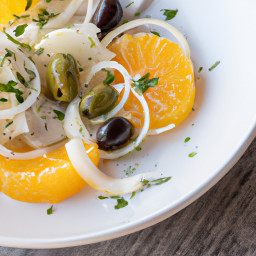
1 large fennel bulb, cored and very thinly sliced (fronds reserved)
2 oranges (navel or cara cara), segmented, plus any juice
1 small lemon, zested and juiced
1 / 3 cup (50 ml) Castelvetrano olives, pitted and roughly chopped
3 tbsp (45 ml) extra-virgin olive oil
1 / 4 cup (30 g) sliced almonds, toasted
2 tbsp (8 g) chopped fresh flat-leaf parsley
6–8 fresh mint leaves, torn
1 oz (28 g) Parmesan, shaved (optional)
Pinch red pepper flakes (optional)
Kosher salt and freshly ground black pepper to taste
Toast the almonds in a dry skillet over medium heat, stirring, until golden and fragrant, 3–4 minutes. Transfer to a plate to cool.
In a large bowl, whisk the lemon juice, lemon zest, any orange juice from segmenting, and olive oil with a pinch of salt, black pepper, and red pepper flakes if using.
Add the shaved fennel to the bowl and toss to lightly coat. Let sit 5 minutes to soften slightly.
Gently fold in the orange segments, chopped Castelvetrano olives, parsley, and mint. Taste and adjust seasoning with more salt and pepper as needed.
Transfer to a serving platter. Scatter toasted almonds, Parmesan shavings (if using), and a few chopped fennel fronds over the top. Serve chilled or at cool room temperature.

8 oz / 225 g cream cheese, softened
6 oz / 170 g lump crab meat, drained and finely chopped (imitation crab is fine)
2 green onions (scallions), finely sliced
1 small clove garlic, minced (or 1 / 2 tsp garlic powder)
1 tsp soy sauce
1 tsp Worcestershire sauce (optional)
1 tsp granulated sugar
1 / 2 tsp kosher salt
1 / 4 tsp white or black pepper
1 / 2 tsp toasted sesame oil (optional)
1 tsp fresh lemon juice (or rice vinegar)
30–40 square wonton wrappers (about 3.5 in / 9 cm)
1 beaten egg mixed with 1 tbsp (15 ml) water (or plain water) for sealing
Neutral oil for frying (vegetable or canola), about 1.5 liters (6 cups) or enough for ~2 in / 5 cm depth
Sweet chili sauce, for serving (or make the sauce below)
Optional homemade sweet-sour dipping sauce: 1 / 4 cup (60 ml) rice vinegar
Optional homemade sweet-sour dipping sauce: 1 / 4 cup (60 ml) water
Optional homemade sweet-sour dipping sauce: 1 / 4 cup (50 g) granulated sugar
Optional homemade sweet-sour dipping sauce: 1 tbsp ketchup
Optional homemade sweet-sour dipping sauce: 1 tsp soy sauce
Optional homemade sweet-sour dipping sauce: 2 tsp cornstarch mixed with 2 tsp water
Make the filling: In a bowl, mix cream cheese, crab, green onions, garlic, soy sauce, Worcestershire (if using), sugar, salt, pepper, sesame oil (if using), and lemon juice until smooth and well combined. Taste and adjust seasoning.
Set up: Keep wonton wrappers under a barely damp towel so they don’t dry out. Prepare a small bowl with egg wash or water and line a tray with parchment.
Fill and seal: Place about 2 teaspoons of filling in the center of a wrapper. Lightly moisten the edges. Fold into a triangle, pressing out air as you seal the edges firmly. For a classic rangoon shape, bring the two side corners of the triangle together and pinch to seal; ensure all seams are tight. Repeat with remaining wrappers and filling.
Heat oil: In a heavy pot or deep skillet, heat 5 cm/2 in of neutral oil to 175–180°C (350–360°F). Maintain temperature between batches.
Fry: Working in batches of 4–6, fry 2–3 minutes, turning once, until golden and blistered. Transfer to a rack or paper towels to drain. Keep warm in a low oven if needed.
Serve: Plate hot with sweet chili sauce or the homemade sweet-sour dipping sauce.
Homemade sweet-sour sauce (optional): In a small saucepan, whisk together rice vinegar, water, sugar, ketchup, and soy sauce. Bring to a simmer, then stir in the cornstarch slurry. Cook 30–60 seconds until glossy and slightly thickened. Cool slightly before serving.
Bake or air-fry (alternative): For baking, arrange sealed wontons on a lightly oiled sheet, brush or spray with oil, and bake at 200°C/400°F for 12–15 minutes, turning halfway, until golden. For air frying, spray lightly with oil and cook at 190°C/375°F for 8–10 minutes, flipping halfway, until crisp.

2 boneless, skinless chicken breasts (about 12 oz / 340 g total), or 2 cups (480 ml) cooked chicken, sliced or chopped
1 tbsp (15 ml) olive oil
1 / 2 tsp kosher salt
1 / 4 tsp freshly ground black pepper
2 large flour tortillas (10–12 inch / 25–30 cm)
2 cups (480 ml) chopped romaine hearts
1 / 3 cup (80 ml) Caesar dressing
1 / 4 cup (20 g) finely grated Parmesan cheese
1 / 2 cup (60 g) croutons, lightly crushed
1 small avocado, sliced (optional)
4 strips cooked bacon, crumbled (optional)
Lemon wedges, for serving (optional)
Cook the chicken (skip if using pre-cooked): Pat the chicken dry and season both sides with the salt and black pepper. Heat the olive oil in a skillet over medium-high heat. Sear the chicken 4–5 minutes per side until browned and cooked through (internal temperature 165°F/74°C). Rest 5 minutes, then slice or chop.
Warm the tortillas: Wrap them in a damp paper towel and microwave 20–30 seconds, or warm in a dry skillet until pliable.
Dress the greens: In a bowl, toss the romaine with the Caesar dressing and half of the Parmesan until evenly coated.
Assemble: Lay out the warm tortillas. Divide the dressed romaine down the center of each. Top with the sliced chicken, remaining Parmesan, and the crushed croutons. Add avocado and bacon if using. A light squeeze of lemon brightens the flavors (optional).
Wrap: Fold the sides over the filling, then roll tightly from the bottom up to form a sealed wrap.
Optional crisp: Place the wraps seam-side down in a dry skillet over medium heat and toast 1–2 minutes per side until lightly golden.
Serve: Slice in half and serve immediately.

1 medium red cabbage, cored and thinly sliced
1 large tart apple, peeled and thinly sliced
1 medium yellow onion, thinly sliced
2 tbsp (30 ml) neutral oil (such as sunflower or canola)
3 tbsp (45 ml) red wine vinegar (or apple cider vinegar)
2 tbsp (30 ml) sugar or maple syrup
1 / 2 cup (120 ml) water or vegetable broth
1 bay leaf
3 whole cloves (or 1 / 8 tsp ground cloves)
1 / 2 tsp ground allspice (optional but traditional)
Salt and black pepper, to taste
1. Warm the oil in a wide pot over medium heat. Add onion and apple; cook until softened, 5–7 minutes.
2. Add cabbage, sugar (or maple), vinegar, bay leaf, cloves, allspice, and water/broth. Season with salt and pepper, stir, cover, and simmer gently, stirring occasionally, until tender and glossy, 35–45 minutes. Adjust seasoning and vinegar to taste, then serve.
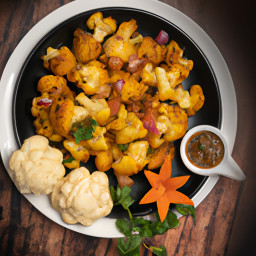
1 medium cauliflower, cut into small florets
2 medium potatoes, peeled and diced
1 large onion, finely chopped
2 tomatoes, chopped (or 1 cup / 240 ml crushed tomatoes)
2 tbsp (30 ml) neutral oil
2 cloves garlic, minced
1-inch piece ginger, minced
1 green chili, sliced (optional)
1 tsp cumin seeds
1 tsp ground turmeric
1 tsp ground coriander
1 / 2 tsp Kashmiri chili powder or paprika
1 tsp garam masala
1 / 2 cup (120 ml) water, as needed
Salt, to taste
Fresh cilantro, chopped (for garnish)
1. Heat oil in a large skillet over medium heat. Add cumin seeds; when fragrant, add onion and cook until light golden. Stir in garlic, ginger, and green chili; cook 1 minute.
2. Add turmeric, coriander, and chili powder; stir 30 seconds. Add potatoes, tomatoes, salt, and a splash of water; cover and cook 5–7 minutes. Add cauliflower, stir, cover, and cook until potatoes and cauliflower are tender, 10–12 minutes (adding small splashes of water if needed). Finish with garam masala and cilantro.

1 1 / 2 lb / 680 g Brussels sprouts, trimmed and halved
3 tbsp (45 ml) extra-virgin olive oil
Salt to taste
Freshly ground black pepper to taste
2 tbsp (30 ml) balsamic vinegar
1 tbsp (15 ml) maple syrup
1 / 3 cup (30 g) sliced almonds, toasted
1. Preheat oven to 425°F (220°C). Toss Brussels sprouts with olive oil, salt, and pepper; spread cut side down on a baking sheet.
2. Roast until deeply browned and tender, 20–25 minutes. Whisk balsamic with maple syrup; drizzle over hot sprouts and toss. Scatter with toasted almonds and serve.

1 head cauliflower, cut into florets
1 large potato, peeled and diced
1 onion, chopped
2 tbsp (30 ml) olive oil
4 cups (960 ml) vegetable broth
1 bay leaf
Salt and white or black pepper, to taste
1–2 tsp (5–10 ml) fresh lemon juice, to taste
Chopped chives or parsley, for garnish
1. In a pot, warm olive oil over medium heat. Add onion with a pinch of salt; cook until soft and translucent, 5–7 minutes. Add potato and cauliflower; stir 2 minutes.
2. Add broth and bay leaf; bring to a simmer and cook until vegetables are very tender, 15–20 minutes. Discard bay leaf, blend until smooth, and season with salt, pepper, and lemon juice. Garnish with herbs and serve hot.

4 skinless cod or haddock fillets (about 6 oz / 170 g each), patted dry
1 1 / 2 cups (180 g) all-purpose flour, divided (1 cup for batter, 1 / 2 cup for dredging)
1 / 3 cup (45 g) cornstarch
1 tsp baking powder
1 tsp kosher salt, plus more to taste
1 tsp sugar (optional)
1 / 2 tsp paprika or a pinch of cayenne (optional)
1 cup (240 ml) very cold lager beer or sparkling water, plus a splash more if needed
2–3 large russet potatoes (about 2 lb / 900 g)
Neutral high-heat oil for frying (about 8 cups / 1.9 L), such as canola, peanut, or sunflower
Malt vinegar, to serve
Lemon wedges, to serve
Tartar sauce, to serve (optional)
Chopped parsley, for garnish (optional)
Prep the potatoes: Peel (optional) and cut into thick chips/fries about 1/2 inch (1.25 cm) wide. Rinse and soak in cold water 20–30 minutes to remove excess starch. Drain and pat completely dry.
Heat the oil for the first fry: In a deep, heavy pot (at least 5 qt/4.7 L) or a deep fryer, heat oil to 275°F (135°C). Line a sheet pan with a wire rack or paper towels.
First fry (blanch) the chips: Fry the potatoes in batches 5–7 minutes until pale and just tender with no color. Do not brown. Drain on the rack and let cool at least 10 minutes (or chill 20–30 minutes) to firm up.
Make the batter: In a large bowl, whisk 1 cup (120 g) flour, cornstarch, baking powder, 1 teaspoon salt, sugar, and paprika/cayenne (if using). Pour in the very cold lager or sparkling water and whisk just until combined; a few small lumps are fine. Keep the batter cold.
Preheat for final fries: Increase oil temperature to 375°F (190°C).
Season and dredge the fish: Lightly season fillets with salt. Place the remaining 1/2 cup (60 g) flour in a shallow dish and dredge the fillets, shaking off excess. This helps the batter adhere.
Batter and fry the fish: Working one or two at a time, dip dredged fillets into the cold batter, let excess drip, then carefully lower into the 375°F (190°C) oil. Fry 4–6 minutes, turning once, until deep golden and crisp and the fish flakes easily (internal temp about 145°F/63°C). Transfer to the rack and keep warm in a 200°F (95°C) oven while you finish the chips.
Second fry the chips: Return the blanched chips to the 375°F (190°C) oil in batches and fry 2–3 minutes until golden and crisp. Drain and immediately season with salt.
Serve: Plate the hot chips with the fried fish. Splash with malt vinegar, add lemon wedges, and serve with tartar sauce. Garnish with chopped parsley if desired.

1 medium jicama, peeled and cut into matchsticks (about 3 cups / 375 g)
1 English cucumber, halved lengthwise, seeded, thinly sliced (about 2 cups / 240 g)
2 medium oranges, segmented, plus 2 tbsp (30 ml) reserved juice
1/4 small red onion, very thinly sliced
1 small jalapeño, thinly sliced (optional)
1/2 cup fresh cilantro leaves, roughly chopped (about 15 g)
2 limes, zested and juiced (about 4 tbsp / 60 ml juice)
1 tbsp honey or agave
1 tbsp extra-virgin olive oil
3/4 tsp Tajín or chili powder, divided, plus more to taste
1/2 tsp kosher salt, plus more to taste
1/3 cup roasted salted peanuts, roughly chopped (about 45 g)
12 small butter lettuce or little gem leaves
1. In a large bowl, combine jicama, cucumber, red onion, jalapeño (if using), and cilantro.
2. Whisk the dressing: in a small bowl, mix lime juice and zest, reserved 2 tablespoons orange juice, honey, olive oil, 1/2 teaspoon Tajín (or chili powder), and kosher salt until dissolved.
3. Pour the dressing over the vegetables and toss to coat. Gently fold in the orange segments. Chill 10–15 minutes to lightly marinate.
4. In a separate small bowl, toss the chopped peanuts with the remaining 1/4 teaspoon Tajín (or a pinch of chili powder) to coat.
5. Assemble: lay out the lettuce leaves and spoon the salad into each cup. Top with the chili-lime peanuts.
6. Finish with an extra squeeze of lime and a light sprinkle of Tajín, to taste. Serve immediately for maximum crunch.
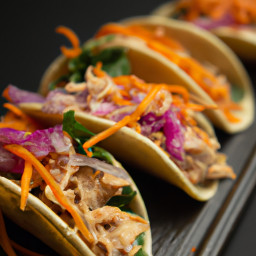
4 to 5 lb (1.8 to 2.3 kg) boneless pork shoulder (Boston butt), trimmed of excess hard fat
2 tsp kosher salt, plus more to taste
1 tsp freshly ground black pepper
1 tbsp chili powder
2 tsp smoked paprika
2 tsp ground cumin
1 tsp dried oregano
1 tsp garlic powder
1 tsp onion powder
1 tbsp light brown sugar
1 / 2 tsp ground coriander (optional)
1 large yellow onion, sliced
6 garlic cloves, smashed
1 to 2 chipotles in adobo, chopped, plus 1 tbsp adobo sauce
1 cup (240 ml) orange juice (or 3 / 4 cup (180 ml) orange juice plus 1 / 4 cup (60 ml) pineapple juice)
1 / 4 cup (60 ml) apple cider vinegar
2 tbsp (30 ml) lime juice, plus lime wedges for serving
2 bay leaves
16 to 20 small corn tortillas
1 / 2 cup (15 g) chopped fresh cilantro
1 small white onion, finely diced
1 cup (120 g) crumbled cotija or queso fresco
1 avocado, sliced (optional)
4 radishes, thinly sliced (optional)
1 jalapeno or serrano, thinly sliced (optional)
Salsa roja or salsa verde, for serving
Lime wedges, for serving
Quick pickled red onions (optional):
1 medium red onion, thinly sliced
1 / 2 cup (120 ml) apple cider vinegar
1 / 2 cup (120 ml) water
1 tbsp sugar
1 tsp kosher salt
Make the spice rub: In a small bowl, combine the salt, pepper, chili powder, smoked paprika, cumin, oregano, garlic powder, onion powder, brown sugar, and ground coriander.
Season the pork: Pat the pork shoulder dry. Rub the spice mixture all over, pressing to adhere. Place the pork in a slow cooker or in a Dutch oven.
Add aromatics and liquids: Scatter the sliced onion and smashed garlic around the pork. Add the chopped chipotle, adobo sauce, orange juice, apple cider vinegar, lime juice, and bay leaves.
Cook until fall-apart tender: Slow cooker on LOW for 8 to 10 hours (or HIGH for 4 to 5 hours); or oven method, cover the Dutch oven and cook at 300 F for 3 to 4 hours, until the pork is very tender and shreds easily with two forks.
Optional quick-pickled onions: In a jar or bowl, combine 1/2 cup apple cider vinegar, 1/2 cup water, 1 tablespoon sugar, and 1 teaspoon kosher salt. Stir to dissolve, then add the sliced red onion. Let sit at least 30 minutes (or refrigerate up to 2 weeks).
Shred and sauce: Transfer the pork to a board and discard the bay leaves. Skim excess fat from the cooking liquid, then simmer the liquid in a saucepan over medium-high heat until reduced by about half. Shred the pork with two forks, then return it to the reduced sauce and toss to coat. Adjust seasoning with salt and more lime juice as needed.
Warm the tortillas: Heat a dry skillet or griddle over medium-high and warm tortillas 30 to 60 seconds per side until pliable and lightly charred. Keep warm wrapped in a clean towel.
Assemble the tacos: Fill each tortilla with sauced pulled pork. Top with chopped cilantro, diced white onion, crumbled cotija, avocado, radishes, and sliced chiles as desired. Add pickled red onions and spoon on salsa. Finish with a squeeze of lime.
Serve: Makes about 16 to 20 tacos. Leftover pork keeps 4 days refrigerated or up to 3 months frozen; reheat gently or crisp in a skillet.
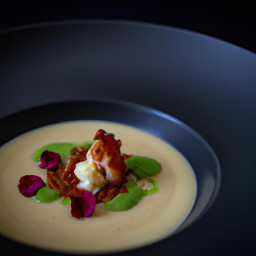
2 live lobsters (about 1 1 / 4 lb / 560 g each), or shells from 2 lobsters (or 4 large tails) plus 12–16 oz / 340–450 g cooked lobster meat, chopped
2 tbsp (30 ml) olive oil
4 tbsp (60 g) unsalted butter, divided
1 large onion, diced
2 medium carrots, diced
2 celery ribs, diced
4 garlic cloves, smashed
2 tbsp (30 ml) tomato paste
1 / 2 cup (120 ml) brandy or cognac
1 cup (240 ml) dry white wine
6 cups (1.4 liters) seafood or fish stock (or water)
1 / 3 cup (65 g) uncooked white rice (long-grain or arborio)
1 bay leaf
6 sprigs fresh thyme (or 1 / 2 tsp dried)
1 tsp sweet paprika
1 / 8–1 / 4 tsp cayenne pepper, to taste
8–10 black peppercorns (or 1 / 2 tsp freshly ground black pepper)
Pinch of saffron threads (optional)
1 strip orange zest, 2 inches (5 cm) (optional)
1 cup (240 ml) heavy cream
1–2 tsp fresh lemon juice, to taste
1 tsp Worcestershire sauce (optional)
Kosher salt and freshly ground black pepper, to taste
2 tbsp (8 g) minced fresh chives or tarragon, for garnish
If using live lobsters: Steam or boil just until cooked through (about 6–8 minutes for 1¼-lb lobsters). Cool, pick out the meat from claws, knuckles, and tails; chop and refrigerate. Reserve all shells and any juices.
Heat a large heavy pot over medium-high. Add olive oil and 2 tbsp butter. Add lobster shells and sauté, stirring and lightly crushing, until bright red and very fragrant, 8–10 minutes.
Add onion, carrots, celery, and garlic; cook, stirring, until softened and lightly caramelized, 6–8 minutes.
Stir in tomato paste and cook until darkened and glossy, 2–3 minutes.
Off the heat, add brandy. Return to medium-high and simmer to reduce slightly; if desired, carefully ignite to flambé and let flames subside.
Add white wine and simmer until reduced by about half, 3–5 minutes.
Add stock, rice, bay leaf, thyme, paprika, cayenne, peppercorns, and optional saffron and orange zest. Bring to a boil, then reduce to a gentle simmer. Partially cover and cook 35–45 minutes, stirring and crushing shells now and then; rice should be very tender.
Using tongs or a slotted spoon, remove and discard all large shells, bay leaf, and herb stems.
Blend the soup base until completely smooth (use an immersion blender, or carefully blend in batches in a stand blender, venting the lid).
Pass the blended soup through a fine-mesh sieve or chinois into a clean pot, pressing on solids; discard fibrous remnants. You should have a silky, slightly thick base.
Bring the bisque to a bare simmer. Stir in heavy cream. Season with salt, black pepper, lemon juice, and Worcestershire (if using). Adjust thickness by reducing gently to thicken, or adding a splash of stock to loosen.
Add the chopped lobster meat and warm gently for 2–3 minutes; do not boil.
Stir in the remaining 2 tbsp butter to finish.
Ladle into warm bowls and garnish with chives or tarragon. Serve immediately.

1 medium fennel bulb, fronds reserved
1 tart apple (such as Granny Smith), cored and cut into matchsticks
6 radishes, thinly sliced
2 tbsp (30 ml) chopped fresh parsley or dill (or a mix)
1 / 3 cup (35 g) toasted sliced almonds
1 lemon, zested and juiced (about 2 tbsp / 30 ml juice)
1 tsp Dijon mustard
1 tsp honey or maple syrup
3 tbsp (45 ml) extra-virgin olive oil
Pinch of red pepper flakes (optional)
Kosher salt and freshly ground black pepper to taste
Trim fennel, reserving fronds. Halve the bulb, remove the core, and slice very thinly (mandoline if possible).
In a large bowl, whisk lemon juice and zest with Dijon, honey, a pinch of salt, and several grinds of black pepper. Slowly whisk in olive oil until emulsified. Add red pepper flakes if using.
Add sliced fennel, apple matchsticks, and radishes to the bowl. Toss to coat lightly in the vinaigrette.
Fold in chopped herbs and toasted almonds. Taste and adjust seasoning with more salt, pepper, or lemon as needed.
Transfer to a serving platter and garnish with chopped fennel fronds. Serve immediately for maximum crispness.

2 lb (900 g) chicken wings (flats and drumettes separated, tips discarded)
2 tsp kosher salt
1 tsp freshly ground black pepper
1 tsp paprika (optional)
2 tbsp cornstarch
1 1 / 2 to 2 qt (1.4 to 1.9 L) neutral oil (canola, vegetable, or peanut) for frying
1 / 2 cup (120 ml) Frank’s RedHot Original (or other cayenne pepper hot sauce)
6 tbsp unsalted butter
1 tsp Worcestershire sauce
1 tsp garlic powder
1 tsp white vinegar or apple cider vinegar
1 to 2 tsp honey or brown sugar (optional, to balance heat)
Celery sticks, for serving (optional)
Carrot sticks, for serving (optional)
Blue cheese or ranch dressing, for serving (optional)
Pat the wings very dry with paper towels. The drier they are, the crispier they will fry.
Season the wings with kosher salt, black pepper, and paprika (if using). Sprinkle over the cornstarch and toss until the wings are evenly coated; shake off any excess.
Pour oil into a deep, heavy pot or Dutch oven to a depth of 2 to 3 inches. Attach a thermometer and heat the oil to 325 F over medium heat.
Fry the wings in batches without crowding, 7 to 8 minutes, until the skin looks set and light blond. Remove to a wire rack set over a sheet pan and let rest 5 minutes. Bring the oil up to 375 F.
Return the wings to the 375 F oil and fry again, 2 to 3 minutes, until deeply golden and very crisp. Drain on the rack and lightly season with a pinch of salt.
While the wings fry, make the Buffalo sauce: In a small saucepan over low heat, melt the butter. Whisk in the hot sauce, Worcestershire, garlic powder, vinegar, and honey (if using) until smooth. Keep warm on low; do not boil.
Transfer the hot, fried wings to a large bowl. Pour over enough Buffalo sauce to coat (you may not need all of it) and toss until every wing is glossy.
Serve immediately with celery and carrot sticks and blue cheese or ranch dressing for dipping.
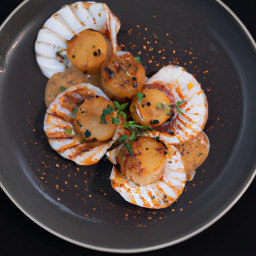
1 lb / 450 g large dry sea scallops, side muscle removed
1 tbsp (15 ml) extra-virgin olive oil
1 tsp finely grated lemon zest
1 small garlic clove, finely grated or minced
1 / 2 tsp kosher salt, plus more to finish
1 / 4 tsp freshly ground black pepper
1 / 4 tsp smoked or sweet paprika (optional)
1 tbsp (15 ml) neutral high-heat oil (canola or grapeseed), for the grill grates
2 tbsp (28 g) unsalted butter, melted
1 tbsp chopped fresh parsley or chives
Lemon wedges, for serving
6–8 metal or soaked wooden skewers (optional)
Prep the scallops: If previously frozen, thaw completely in the refrigerator. Pat very dry on all sides with paper towels and remove the small side muscle if attached.
If using wooden skewers, soak them in water for at least 15 minutes. Thread scallops across two parallel skewers (to prevent spinning), leaving a little space between each. Alternatively, plan to use a well-oiled grill basket.
In a bowl, whisk together olive oil, lemon zest, garlic, salt, pepper, and paprika (if using). Add scallops and gently toss to coat. Marinate 10–15 minutes at room temperature; do not add lemon juice yet.
Preheat the grill to high (500–550°F / 260–290°C). Clean the grates thoroughly, then oil them by rubbing with a paper towel dipped in the neutral oil held with tongs.
Stir the melted butter with the chopped herbs to make a quick herb butter; keep warm.
Shake off excess marinade from the scallops. Place them on the hot, oiled grates. Grill, uncovered, 1.5–2.5 minutes without moving, until the bottoms are well browned and the scallops release easily.
Flip carefully. Grill another 1–2 minutes, brushing lightly with the herb butter in the last 30 seconds. Cook just until the centers are barely opaque and springy to the touch, or about 120–125°F (49–52°C) if using a thermometer.
Transfer to a platter and rest 1 minute. Squeeze fresh lemon over the scallops, brush with remaining herb butter, and finish with a pinch of salt if needed.
Serve immediately with lemon wedges.

1 lb / 450 g ground turkey
2 shallots, finely chopped
3 cloves garlic, minced
1 tbsp (15 ml) unsalted butter
1 cup (240 ml) canned diced tomatoes with juice
1 / 4 cup (60 ml) green olives, sliced
2 tbsp (30 ml) raisins (optional)
1 / 2 green bell pepper, diced
1 tsp (5 ml) ground cumin
1 / 2 tsp (2.5 ml) dried oregano
1 bay leaf
1 / 2 cup (120 ml) chicken stock
Salt and pepper to taste
Cooked white rice, for serving
1. Melt unsalted butter in a large skillet over medium heat. Sauté shallots and garlic until fragrant and translucent.
2. Add ground turkey and cook, breaking up, until browned.
3. Stir in diced tomatoes, bell pepper, cumin, oregano, bay leaf and chicken stock. Simmer 10 minutes.
4. Add olives and raisins (if using), continue simmering until sauce thickens and flavors meld, about 5–8 minutes. Season with salt and pepper.
5. Remove bay leaf and serve hot over rice.

---
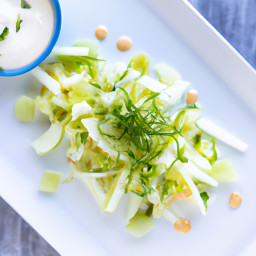
4 celery ribs, thinly sliced (reserve tender leaves)
1 small fennel bulb, cored and very thinly shaved (reserve fronds)
1 crisp green apple, cut into thin matchsticks
1 large carrot, peeled into ribbons
1 / 4 small red onion, very thinly sliced
1 small romaine heart, chopped
1 / 4 cup (15 g) fresh flat-leaf parsley, roughly chopped
2 tbsp (30 ml) fresh dill, chopped
1 / 2 cup (4 oz / 115 g) crumbled blue cheese, divided
2 tbsp (15 g) toasted sunflower seeds (optional)
1 / 2 cup (120 ml) buttermilk
1 / 3 cup (80 ml) plain Greek yogurt
2 tbsp (30 ml) mayonnaise
2 tbsp (30 ml) fresh lemon juice
1 tbsp (15 ml) apple cider vinegar
1 tsp Dijon mustard
1 tsp honey
1 small garlic clove, finely grated
1 / 4 tsp celery seed (optional)
Kosher salt and freshly ground black pepper, to taste
Make the dressing: In a bowl, whisk together buttermilk, Greek yogurt, mayonnaise, lemon juice, apple cider vinegar, Dijon, honey, garlic, and celery seed (if using). Fold in about one-third of the blue cheese. Season with salt and pepper to taste; chill while you prepare the salad.
Crisp the veg (optional): Soak the sliced celery and shaved fennel in ice water for 10 minutes, then drain well and pat dry.
Assemble: In a large bowl, combine celery, fennel, apple, carrot, red onion, romaine, parsley, and dill. Add half the dressing and toss gently to coat; add more to your preference.
Finish and serve: Sprinkle with the remaining blue cheese, sunflower seeds (if using), and a few torn celery leaves and fennel fronds. Season with additional salt and pepper if needed. Serve immediately alongside Buffalo wings to cool and balance the heat.

1 tsp neutral oil (optional)
2-inch piece fresh ginger, thinly sliced
3 scallions, whites and greens separated, thinly sliced
6 cups (1.4 L) low-sodium chicken or vegetable stock
1 lb / 450 g daikon radish, peeled and sliced into 1 / 4-inch half-moons
1 cup (70 g) shiitake mushrooms, thinly sliced (fresh or rehydrated dried)
3 cups (180 g) Napa cabbage, chopped
1 strip orange zest (about 3 inches), pith removed
1 tbsp (15 ml) rice vinegar, plus more to taste
1 tsp light soy sauce (or 1 / 2 tsp sea salt), to taste
1 / 4 tsp ground white pepper
Fresh cilantro leaves, for garnish (optional)
Toasted sesame oil, for finishing (optional)
Warm the oil in a pot over medium heat. Add the ginger and scallion whites; cook 1–2 minutes until aromatic but not browned.
Pour in the stock and add the daikon, shiitake, and orange zest. Bring to a gentle simmer and cook 12–15 minutes, until the daikon is just tender and starting to turn translucent.
Stir in the Napa cabbage and simmer 3–4 minutes until wilted but still crisp-tender.
Season with rice vinegar, light soy (or salt), and white pepper. Taste and adjust acid and salt so the broth is bright and lightly seasoned.
Remove the orange zest. Ladle into bowls, garnish with scallion greens and cilantro, and finish with a few drops of toasted sesame oil if using. Serve hot alongside the pork belly.

1 / 2 cup (1 stick / 113 g) unsalted butter, softened
1 cup (250 ml) creamy peanut butter
3 / 4 cup (150 g) packed light brown sugar
1 / 2 cup (100 g) granulated sugar, plus extra for rolling
1 large egg
1 1 / 2 tsp (7 ml) vanilla extract
1 1 / 4 cups (150 g) all-purpose flour
1 / 2 tsp (2.5 g) baking soda
1 / 2 tsp (2.5 g) baking powder
1 / 2 tsp (3 g) kosher salt
Preheat oven to 350 F. Line 2 baking sheets with parchment paper.
In a large bowl, beat the butter, peanut butter, brown sugar, and granulated sugar until creamy and fluffy, about 2 minutes.
Beat in the egg and vanilla until combined.
In a separate bowl, whisk together the flour, baking soda, baking powder, and salt. Add the dry ingredients to the wet and mix just until no dry flour remains. If the dough seems very soft, chill 20–30 minutes.
Scoop 1 1/2-tablespoon portions (about a heaping tablespoon), roll into balls, then roll lightly in granulated sugar. Arrange 2 inches apart on the prepared sheets.
Use a fork to press a crisscross pattern on each dough ball, flattening to about 1/2 inch thick.
Bake 9–11 minutes, until the edges are set and the tops look dry but the centers are still soft. Do not overbake for chewy cookies.
Cool on the sheet 5 minutes, then transfer to a wire rack to cool completely. Store airtight at room temperature for up to 5 days.

1 fully cooked, bone-in ham (8 to 10 lb / 3.6 to 4.5 kg), shank or butt end
1 cup (240 ml) apple cider or water, for the roasting pan
3 / 4 cup (150 g) pure maple syrup
1 / 3 cup (70 g) packed dark brown sugar
2 tbsp (30 ml) Dijon mustard
2 tbsp (30 ml) apple cider vinegar
1 / 2 cup (120 ml) apple cider, for the glaze
2 tbsp (30 g) unsalted butter
2 cloves garlic, finely minced
1 tsp orange zest (optional)
1 / 4 tsp ground cloves or 20 whole cloves for studding
1 / 2 tsp ground cinnamon (optional)
1 / 2 tsp freshly ground black pepper
Orange slices or fresh rosemary, for garnish (optional)
Preheat the oven to 325°F (165°C) with a rack in the lower-middle position.
Unwrap the ham and remove any plastic disk on the bone. If there is a rind or thick skin, trim it away, leaving about 1/4 inch of fat. Score the fat in a shallow diamond pattern (about 1/2 inch deep). If using whole cloves, stud them into some of the diamond intersections.
Set the ham cut-side down on a rack in a roasting pan. Pour 1 cup apple cider (or water) into the pan. Tent the ham loosely with foil.
Roast until the ham reaches 110°F to 120°F in the center, about 12 to 15 minutes per pound (1.5 to 2.5 hours for most 8 to 10 lb hams).
Meanwhile, make the glaze: In a small saucepan combine maple syrup, brown sugar, Dijon mustard, apple cider vinegar, 1/2 cup apple cider, butter, garlic, orange zest (if using), ground cloves, cinnamon (if using), and black pepper. Bring to a simmer over medium heat, stirring, and cook 6 to 8 minutes until glossy and slightly thickened. Reserve about 1/2 cup for serving, if desired.
Increase the oven temperature to 400°F (205°C). Remove the foil. Brush the ham generously with glaze and return it to the oven, uncovered.
Continue roasting, brushing with more glaze every 10 minutes, until lacquered and the internal temperature reaches 140°F, about 30 to 40 minutes more.
Transfer the ham to a carving board, tent loosely with foil, and rest 15 to 20 minutes.
Optional pan sauce: Skim excess fat from the roasting pan, add the reserved glaze and a splash of water or cider, and simmer 3 to 5 minutes, scraping up browned bits. Adjust to taste.
Carve by slicing parallel to the bone to release sections, then cut those sections into thinner slices. Garnish with orange slices or rosemary if desired and serve with pan sauce.

4 cups shredded green cabbage (about 300 g)
1 cup thinly sliced celery (2 ribs)
3 green onions (scallions), thinly sliced
1 / 2 small red bell pepper, thinly sliced (optional, for color)
1 / 4 cup chopped fresh parsley
2 tbsp (30 ml) fresh lemon juice
1 tbsp (15 ml) apple cider vinegar
1 tsp Dijon mustard
1 tsp honey or sugar
1 / 4 tsp celery seed
1 / 2 tsp kosher salt, plus more to taste
1 / 8 tsp freshly ground black pepper
3 tbsp (45 ml) neutral oil or light olive oil
In a small bowl, whisk together lemon juice, apple cider vinegar, Dijon, honey, celery seed, salt, and black pepper. Slowly whisk in the oil until the dressing is emulsified.
In a large bowl, combine cabbage, celery, green onions, red bell pepper (if using), and parsley.
Pour the dressing over the vegetables and toss until evenly coated.
Let the slaw rest for 10–20 minutes to lightly soften and meld flavors. Taste and adjust salt or lemon as needed.
Serve chilled or at room temperature alongside the jambalaya.

4 cups baby arugula
1 medium fennel bulb, cored and very thinly sliced (reserve fronds)
4–6 radishes, very thinly sliced
1 large navel orange, segmented (plus 2 tbsp / 30 ml juice from the membranes)
1 / 3 cup walnuts, toasted and roughly chopped
2 tbsp flat-leaf parsley, chopped
1 tbsp fresh dill, chopped (optional)
1 small shallot, finely minced
1 tsp Dijon mustard
1 tsp honey (or maple syrup)
1 / 2 tsp lemon zest
2 tbsp fresh lemon juice
1 tbsp sherry vinegar (or white wine vinegar)
1 / 3 cup extra-virgin olive oil
3 / 4 tsp kosher salt, plus more to taste
1 / 2 tsp freshly ground black pepper, plus more to taste
Flaky sea salt, to finish (optional)
Toast the walnuts in a dry skillet over medium heat until fragrant and lightly golden, 3–4 minutes. Cool, then roughly chop.
Segment the orange over a bowl to catch juices; set segments aside and squeeze the remaining membranes to yield about 2 tablespoons juice.
Make the vinaigrette: In a bowl, whisk together the shallot, Dijon, honey, lemon zest, lemon juice, orange juice, and sherry vinegar with the kosher salt and black pepper. Slowly whisk in the olive oil until emulsified; adjust seasoning to taste.
In a large bowl, toss the sliced fennel and radishes with 1 tablespoon of the vinaigrette and let sit 5 minutes to lightly soften.
Add the arugula, parsley, and dill to the bowl. Drizzle just enough vinaigrette to lightly coat and toss gently.
Plate the salad and top with orange segments, toasted walnuts, and a few reserved fennel fronds. Finish with a pinch of flaky sea salt and extra pepper, if desired.
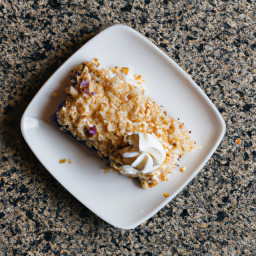
1 / 2 cup (113 g) unsalted butter, softened
3 / 4 cup (150 g) granulated sugar
1 large egg
1 tsp vanilla extract
1 / 2 cup (120 ml) milk, whole or 2%
2 cups (240 g) all-purpose flour
2 tsp baking powder
1 / 2 tsp kosher salt
2 cups (300 g) blueberries, fresh or frozen (do not thaw if frozen)
1 tsp lemon zest, optional
1 tbsp all-purpose flour, for tossing berries (optional)
1 / 2 cup (100 g) light brown sugar, packed
1 / 2 cup (65 g) all-purpose flour
1 tsp ground cinnamon
Pinch of salt
5 tbsp (70 g) unsalted butter, cold and cubed
Preheat oven to 350°F (175°C). Grease an 8-inch square baking pan (or line with parchment, leaving overhang).
Make the streusel: In a bowl, mix brown sugar, flour, cinnamon, and a pinch of salt. Cut in the cold cubed butter with a fork or your fingers until clumps form. Refrigerate while you make the batter.
In a large bowl, beat the softened butter and granulated sugar until light and fluffy, 2–3 minutes. Beat in the egg, vanilla, and lemon zest (if using).
In a separate bowl, whisk together the 2 cups flour, baking powder, and kosher salt. Add the dry ingredients to the butter mixture in two additions, alternating with the milk, stirring just until combined. The batter will be thick.
If your berries are very juicy or frozen, toss them with the 1 tablespoon flour (optional) to help prevent sinking. Gently fold the blueberries into the batter.
Spread the batter evenly into the prepared pan. Sprinkle the chilled streusel evenly over the top.
Bake until the top is golden and a toothpick inserted in the center comes out with a few moist crumbs (avoid a blueberry pocket), about 40–50 minutes.
Cool in the pan on a rack for at least 20 minutes before slicing. Serve warm or at room temperature, plain or with a dollop of whipped cream or vanilla ice cream.

2 cups (250 g) 00 or all-purpose flour, plus extra for dusting
3 large eggs (room temperature)
1 tbsp (15 ml) extra-virgin olive oil
1 / 2 tsp fine sea salt
1 cup (240 g) whole-milk ricotta, well drained
1 / 2 cup (50 g) finely grated Parmesan or Pecorino Romano
1 / 2 cup (55 g) shredded low-moisture mozzarella (optional)
1 large egg
2 tbsp finely chopped fresh parsley (or basil)
1 / 8 tsp freshly grated nutmeg
1 / 2 tsp fine sea salt, plus more to taste
1 / 4 tsp black pepper
1 tsp lemon zest (optional)
2 tbsp (30 ml) extra-virgin olive oil
1 small yellow onion, finely chopped
3–4 garlic cloves, thinly sliced
1 tbsp (15 ml) tomato paste (optional, for depth)
1 can (28 oz / 800 g) crushed tomatoes
1 / 2 tsp dried oregano
1 / 4 tsp red pepper flakes (optional)
1 tsp sugar (optional, to balance acidity)
1 tsp kosher salt, plus more to taste
Black pepper, to taste
6–8 fresh basil leaves, torn
Semolina flour or coarse cornmeal, for dusting
1 egg beaten with 1 tbsp (15 ml) water (egg wash)
Kosher salt, for pasta water
Extra-virgin olive oil, for finishing
Additional grated Parmesan, for serving
Fresh basil leaves, for garnish
Make the dough: On a clean work surface or in a bowl, combine flour and salt. Make a well, add eggs and olive oil, and whisk with a fork, gradually drawing in flour until a shaggy dough forms. Knead 8–10 minutes until smooth and elastic (add a sprinkle of flour if sticky, or a few drops of water if dry). Wrap and rest 30–60 minutes at room temperature.
Make the filling: In a bowl, combine ricotta, Parmesan, mozzarella (if using), egg, parsley, nutmeg, salt, pepper, and lemon zest (if using). Mix until smooth. Taste and adjust seasoning. Cover and refrigerate.
Cook the marinara: In a saucepan, warm olive oil over medium heat. Add onion with a pinch of salt and cook 5–7 minutes until translucent. Add garlic and red pepper flakes; cook 30–60 seconds until fragrant. Stir in tomato paste and cook 1 minute. Add crushed tomatoes, oregano, sugar (if using), 1 teaspoon kosher salt, and black pepper. Simmer gently 20–30 minutes, stirring occasionally. Off heat, stir in torn basil and adjust seasoning.
Roll the pasta: Divide dough into 2–4 pieces. Working with one piece at a time (keep others wrapped), flatten and roll through a pasta machine from widest to thin, final thickness about 1 mm (machine setting 6–7) or as thin as you can with a rolling pin. Lightly dust with flour or semolina as needed. Aim for long, even sheets.
Form the ravioli: Lay one sheet on a lightly floured surface. Pipe or spoon 2 teaspoons of filling mounds spaced about 1.5 inches (4 cm) apart. Brush egg wash around each mound. Top with a second sheet, gently pressing around filling to seal and expel air. Cut into squares with a cutter or knife. Press edges firmly; crimp with a fork if desired. Transfer to a semolina-dusted tray. Repeat with remaining dough and filling.
Boil the ravioli: Bring a large pot of well-salted water to a gentle boil. Add ravioli in batches to avoid crowding. Cook 2–4 minutes, or until they float and the pasta is tender but still slightly firm. Reserve 1/2 cup pasta water.
Sauce and finish: Warm marinara in a wide skillet. Transfer cooked ravioli with a slotted spoon directly into the sauce. Gently toss, adding a splash of reserved pasta water as needed to loosen and coat.
Serve: Divide ravioli among plates. Finish with a drizzle of olive oil, grated Parmesan, and fresh basil. Serve immediately.
Make-ahead tips: Ravioli can be frozen in a single layer on a semolina-dusted tray until firm, then transferred to a bag for up to 1 month. Boil from frozen, adding 1–2 extra minutes.

3 1 / 2 cups (830 ml) low-sodium chicken broth
1 cup (240 ml) whole milk
1 cup (160 g) coarse-ground polenta (not instant)
2 tbsp (30 g) unsalted butter
1 / 2 cup (50 g) finely grated Parmesan cheese
3 / 4 tsp kosher salt, plus more to taste
1 / 4 tsp freshly ground black pepper
1 / 2 cup (15 g) finely chopped fresh parsley
1 tsp finely grated lemon zest
1 small garlic clove, minced to a paste
1 tbsp (15 ml) extra-virgin olive oil
Pinch of flaky sea salt
In a medium saucepan, bring the chicken broth and milk to a gentle simmer over medium heat.
While whisking, slowly rain in the polenta. Reduce heat to low and cook, stirring frequently, until creamy and the grains are tender, 20–25 minutes.
Stir in the butter, Parmesan, black pepper, and 1/4 teaspoon of the kosher salt. Taste and adjust salt as needed. Keep warm over very low heat; if it thickens too much, whisk in a splash of hot water or broth.
Make the gremolata: In a small bowl, combine the parsley, lemon zest, garlic, olive oil, and a pinch of flaky sea salt.
To serve, spoon the polenta onto plates or shallow bowls and drizzle with a little gremolata. Serve alongside or under the Chicken Cacciatore to catch the sauce.

1 large fennel bulb, cored and very thinly sliced (about 2 cups / 130 g)
1 small English cucumber, halved lengthwise and thinly sliced
1 large ripe avocado, sliced
1 pink grapefruit, segmented (reserve 2 tbsp / 30 ml juice)
1 navel orange, segmented
1 / 4 small red onion, very thinly sliced
2 cups baby arugula (lightly packed) (about 60 g)
1 / 3 cup toasted pecans, roughly chopped (about 35 g)
2 tbsp chopped fresh parsley and/or dill
3 tbsp extra-virgin olive oil
1 1 / 2 tbsp Creole or whole-grain mustard
1 tbsp fresh lemon juice
2 tbsp reserved grapefruit juice
2 tsp apple cider vinegar
1 1 / 2 tsp honey
1 / 8 tsp smoked paprika
Kosher salt and freshly ground black pepper, to taste
Toast the pecans in a dry skillet over medium heat until fragrant, 3–4 minutes; cool and chop.
Supreme the grapefruit and orange over a bowl to catch juices; reserve 2 tablespoons grapefruit juice for the dressing.
Place the fennel, cucumber, arugula, and red onion in a large bowl.
Whisk together mustard, lemon juice, reserved grapefruit juice, apple cider vinegar, honey, smoked paprika, a pinch of salt, and a few grinds of black pepper. Slowly whisk in olive oil until emulsified.
Pour about two-thirds of the vinaigrette over the fennel mixture and toss to coat.
Gently fold in the citrus segments and avocado so they stay intact.
Top with toasted pecans and chopped herbs, drizzle with remaining dressing, and adjust seasoning with salt and pepper to taste. Serve promptly.
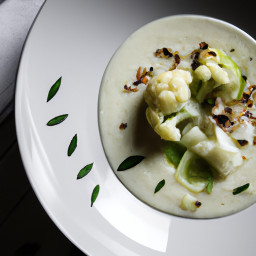
1 large head cauliflower, cut into florets (about 6 cups / 900 g)
3 tbsp (45 ml) olive oil, divided
1 1 / 2 tsp caraway seeds, divided
1 large leek, white and light green parts only, thinly sliced and rinsed
1 rib celery, chopped
2 garlic cloves, sliced
1 tart green apple (e.g., Granny Smith), peeled, cored, and diced
1 small Yukon gold potato, peeled and diced (optional, for extra body)
4 cups (960 ml) low-sodium chicken stock
2 tsp (10 ml) apple cider vinegar, plus more to taste
Fine sea salt and freshly ground black pepper to taste
2 tbsp (30 ml) crème fraîche or plain yogurt (optional, for serving)
2 tbsp (8 g) chopped chives or parsley (for garnish)
Heat oven to 425°F. Toss cauliflower with 1 1/2 tbsp olive oil, a generous pinch of salt, and pepper. Spread on a sheet pan and roast until golden at the edges and tender, 22 to 25 minutes.
Meanwhile, warm the remaining 1 1/2 tbsp olive oil in a soup pot over medium heat. Add 1 tsp caraway seeds and toast until fragrant, about 30 seconds.
Add the leek and celery with a pinch of salt. Cook, stirring, until softened but not browned, 5 to 7 minutes. Stir in garlic and cook 1 minute.
Add the roasted cauliflower, green apple, potato (if using), and chicken stock. Bring to a simmer, cover partially, and cook until everything is very tender, 12 to 15 minutes.
Remove from heat and stir in 2 tsp apple cider vinegar. Blend until silky smooth with an immersion blender (or carefully in batches in a blender, venting the lid). Adjust consistency with a splash of stock or water if needed.
Return to low heat, season to taste with salt, pepper, and a touch more vinegar for a gentle tang that balances rich pork.
Toast the remaining 1/2 tsp caraway seeds in a dry skillet over medium heat until fragrant, 30 to 60 seconds, then lightly crush. Ladle soup into bowls and garnish with crème fraîche or yogurt (if using), chopped chives or parsley, and a pinch of toasted caraway.
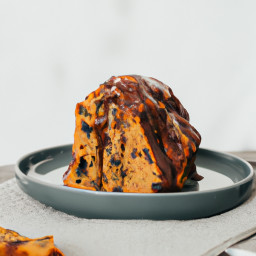
Nonstick spray or butter, for the pan
1 3 / 4 cups (220 g) all-purpose flour
1 tsp baking soda
1 / 2 tsp baking powder
1 / 2 tsp fine salt
2 tsp ground cinnamon
1 / 2 tsp ground nutmeg
1 / 4 tsp ground ginger
1 cup (240 g) canned pumpkin puree (not pumpkin pie filling)
2 large eggs, at room temperature
1 / 2 cup (100 g) granulated sugar
1 / 2 cup (100 g) packed light brown sugar
1 / 2 cup (120 ml) vegetable oil
1 tsp vanilla extract
3 / 4 cup (130 g) semisweet chocolate chips, plus 2 tbsp (30 g) for topping (optional)
Optional: 1 / 2 cup (55 g) chopped walnuts or pecans
1 / 2 cup (60 g) powdered sugar, for maple glaze
1 1 / 2 tbsp pure maple syrup, for maple glaze
1–2 tsp milk or half-and-half, for maple glaze
Pinch of fine salt, for maple glaze
Preheat oven to 350°F (175°C). Grease a 9×5-inch loaf pan and line it with a parchment sling for easy removal.
In a medium bowl, whisk together the flour, baking soda, baking powder, salt, cinnamon, nutmeg, and ginger.
In a large bowl, whisk together the pumpkin puree, eggs, granulated sugar, brown sugar, vegetable oil, and vanilla until smooth.
Add the dry ingredients to the wet and stir just until no dry streaks remain. Fold in 3/4 cup chocolate chips and the nuts if using; do not overmix.
Spread the batter into the prepared pan and smooth the top. Sprinkle the remaining chocolate chips over the surface if desired.
Bake 55–65 minutes, until a toothpick inserted near the center comes out with a few moist crumbs but no wet batter. If the top is browning too quickly, tent loosely with foil during the last 10–15 minutes.
Cool in the pan for 15 minutes, then lift the bread out and cool completely on a wire rack.
For the glaze, whisk the powdered sugar, maple syrup, and 1 teaspoon milk until smooth, adding more milk a few drops at a time until it reaches a thick drizzle consistency. Whisk in a pinch of salt.
Drizzle the glaze over the cooled loaf. Slice and serve. Store leftovers airtight at room temperature up to 3 days or refrigerate up to 1 week.

2 large boneless, skinless chicken breasts (about 1 to 1 1 / 4 lb / 450 to 570 g total), halved horizontally to make 4 cutlets
2 tbsp (30 ml) olive oil
1 tbsp (15 ml) lemon juice or apple cider vinegar
2 tsp Dijon mustard
1 tsp honey
2 garlic cloves, minced
1 tsp smoked paprika
1 / 2 tsp ground cumin (optional)
1 / 2 tsp onion powder
1 / 4 tsp cayenne pepper or red pepper flakes (optional)
1 tsp kosher salt
1 / 2 tsp freshly ground black pepper
4 sandwich buns or brioche rolls, split
1 tbsp (15 ml) melted butter or neutral oil (for toasting buns)
4 slices cheddar, provolone, or pepper jack cheese
4 leaves romaine or butter lettuce
1 large tomato, sliced
1 / 2 small red onion, thinly sliced
8 pickle slices
1 / 4 cup (60 ml) mayonnaise
1 tbsp (15 ml) Dijon mustard (for sauce)
1 to 2 tsp hot sauce or sriracha (optional)
Prep the chicken: Halve the chicken breasts horizontally to make 4 thin cutlets, then pound to an even 1/2 inch thickness. Pat dry with paper towels.
Make the marinade: In a bowl, whisk together the olive oil, lemon juice, 2 teaspoons Dijon mustard, honey, minced garlic, smoked paprika, cumin (if using), onion powder, cayenne (if using), kosher salt, and black pepper.
Marinate: Add the chicken to the marinade and coat well. Marinate 20 to 30 minutes at room temperature, or up to 8 hours refrigerated. If refrigerated, let the chicken sit at room temperature for 15 minutes before grilling.
Preheat the grill: Clean and oil the grates, then heat to medium-high (about 400 to 450 F). For indoors, heat a grill pan over medium-high and oil lightly.
Toast the buns: Brush cut sides of the buns with melted butter or oil. Grill cut-side down until golden, 30 to 60 seconds. Set aside.
Grill the chicken: Let excess marinade drip off. Grill the cutlets 3 to 4 minutes per side, or until lightly charred and the internal temperature reaches 165 F (74 C). In the last 30 to 60 seconds, top each cutlet with a slice of cheese and cover to melt.
Make the sauce: Stir together the mayonnaise, 1 tablespoon Dijon mustard, and hot sauce (if using).
Assemble: Spread the sauce on the toasted buns. Layer with lettuce, the cheesy chicken, tomato slices, red onion, and pickles. Cap with the top bun.
Rest and serve: Let the sandwiches sit 2 minutes so the juices settle, then serve warm.

4 cups (640 g) fresh corn kernels (from 5–6 ears) or thawed frozen
1 tbsp (14 g) unsalted butter
1 tbsp (15 ml) olive oil
1 small yellow onion, finely diced
1 small red bell pepper, diced
1 rib celery, diced
2 cloves garlic, minced
1/2 tsp smoked paprika
1/4 tsp cayenne pepper (optional)
1/2 tsp kosher salt, plus more to taste
1/4 tsp black pepper
1/2 cup (75 g) cherry tomatoes, halved
1/3 cup (80 ml) evaporated milk or heavy cream
1 tsp fresh thyme leaves (or 1/4 tsp dried)
1 lime, zested and juiced
3 scallions, thinly sliced
2 tbsp (8 g) fresh parsley, chopped
1. Heat a large skillet over medium-high. Add olive oil and butter.
2. Add corn in an even layer and cook undisturbed until lightly charred, 3–4 minutes. Stir and cook 2–3 minutes more.
3. Push corn to one side. Add onion, bell pepper, and celery to the other; sauté until softened, about 5 minutes.
4. Stir in garlic, smoked paprika, cayenne (if using), salt, and black pepper; cook 30 seconds until fragrant.
5. Add cherry tomatoes and thyme; cook 2 minutes to soften.
6. Reduce heat to medium-low. Stir in evaporated milk or cream; simmer 2–3 minutes until slightly thickened and creamy.
7. Remove from heat. Stir in lime zest and half the lime juice, plus most of the scallions and parsley. Taste and adjust salt, pepper, and lime juice.
8. Garnish with remaining scallions and parsley. Serve warm.
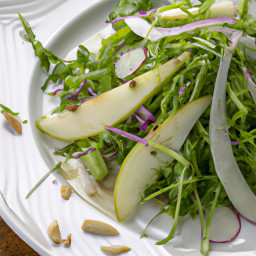
1 small fennel bulb, tough outer layer removed, thinly shaved; fronds reserved for garnish
2 ripe but firm pears (Anjou or Bosc), cored and thinly sliced
3 cups (90 g) watercress, large stems trimmed
1 cup (30 g) radicchio, thinly sliced
1 / 4 cup (30 g) walnuts, toasted and roughly chopped
1 / 4 cup (20 g) Parmigiano-Reggiano, shaved
3 tbsp (45 ml) extra-virgin olive oil
1 1 / 2 tbsp (22 ml) Champagne vinegar
1 tbsp (15 ml) fresh lemon juice
1 tsp lemon zest
1 tsp Dijon mustard
1 tsp honey
1 tbsp (15 g) minced shallot
1 tsp finely chopped fresh tarragon
Sea salt and freshly ground black pepper, to taste
Toast the walnuts in a dry skillet over medium heat until fragrant, 3–4 minutes; cool.
In a small bowl, whisk Champagne vinegar, lemon juice, lemon zest, Dijon, honey, shallot, tarragon, and a pinch of salt. Slowly whisk in olive oil until emulsified.
Shave fennel with a mandoline or very sharp knife; reserve some fronds for garnish.
In a large bowl, combine fennel, pears, watercress, and radicchio. Drizzle with about two-thirds of the vinaigrette and toss gently to coat.
Season with a little sea salt and freshly ground black pepper. Add walnuts and shaved Parmigiano-Reggiano; toss lightly.
Garnish with fennel fronds and drizzle with remaining vinaigrette to taste. Serve immediately.

1 tbsp (15 ml) olive oil
1 large leek (white and light green parts), thinly sliced
1 rib celery, diced
2 cloves garlic, minced
2 medium zucchini, diced
1 / 4 cup (60 ml) dry white wine (optional)
5 cups (1.2 L) low-sodium chicken or vegetable broth
4 sprigs fresh thyme or 1 tsp thyme leaves
1 bay leaf
Zest of 1 lemon, plus 1 to 2 tbsp (15 to 30 ml) lemon juice
2 tbsp (30 ml) fresh parsley, chopped
1 tbsp (15 ml) fresh chives, thinly sliced (optional)
Kosher salt and freshly ground white or black pepper to taste
Pinch red pepper flakes (optional)
Warm olive oil in a pot over medium heat.
Add leek and celery; cook until softened, 4 to 5 minutes, stirring occasionally.
Stir in garlic and cook 30 seconds until fragrant.
Deglaze with white wine (if using); simmer 1 minute until mostly reduced.
Add zucchini, broth, thyme, and bay leaf; bring to a gentle simmer.
Cook uncovered 12 to 15 minutes until zucchini is tender but bright.
Remove bay leaf and thyme sprigs; stir in lemon zest and 1 tablespoon lemon juice.
Season with salt, pepper, and red pepper flakes (if using); add more lemon juice to taste.
Stir in parsley and chives just before serving.
Ladle hot and serve alongside the beef and mushroom macaroni to refresh the palate.