

1 1 / 2 cups (300 g) Arborio rice
5 cups (1.2 L) vegetable or chicken broth
1 / 2 cup (120 ml) dry white wine
1 small onion, finely chopped
2 cloves garlic, minced
1 cup (150 g) frozen peas, thawed
1 / 2 cup (50 g) grated Parmesan cheese
3 tbsp (45 g) butter
2 tbsp (30 ml) olive oil
Salt and pepper, to taste
Zest of 1 lemon (optional)
Fresh mint or parsley, chopped (optional for garnish)
1. **Prepare the Broth**: In a medium saucepan, bring the vegetable or chicken broth to a gentle simmer over low heat. Keep it warm throughout the risotto cooking process.
2. **Sauté Aromatics**: In a large skillet, heat the olive oil over medium heat. Add the chopped onion and minced garlic, and sauté for 2-3 minutes until the onion becomes translucent.
3. **Toast the Rice**: Add the Arborio rice to the skillet, stirring frequently for about 2 minutes until the rice is lightly toasted.
4. **Add Wine**: Pour in the white wine, stirring constantly until the wine is mostly absorbed by the rice.
5. **Cook the Risotto**: Begin adding the warm broth, one ladleful (about 1/2 cup) at a time, stirring often. Wait for each addition of broth to be absorbed before adding the next. Continue this process for about 18-20 minutes or until the rice is cooked al dente and has a creamy consistency.
6. **Add Peas and Butter**: Stir in the thawed peas and 3 tablespoons of butter into the rice, mixing well until the butter melts and the peas are heated through.
7. **Incorporate Cheese**: Stir in the grated Parmesan cheese until it is melted and well combined. Season the risotto with salt and pepper to taste.
8. **Add Freshness**: If using, mix in the lemon zest for an added fresh zing.
9. **Serve**: Let the risotto sit off the heat for a couple of minutes, then serve warm, garnished with fresh mint or parsley if desired. Enjoy your Parmesan and Pea Risotto!
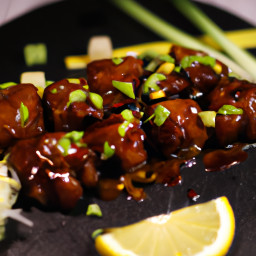
2 lb (900 g) spare ribs
1 / 3 cup (80 ml) soy sauce
3 tbsp (45 ml) honey
2 tbsp (30 ml) rice vinegar
1 tbsp (15 ml) sesame oil
4 cloves garlic, minced
1 tbsp (15 ml) fresh ginger, grated
1 tbsp (15 ml) hoisin sauce
1 tsp (5 ml) five-spice powder
1 / 4 tsp (1 ml) freshly ground black pepper
2 green onions, sliced (for garnish)
1 tbsp (15 ml) sesame seeds (for garnish)
1. **Prepare the Marinade**: In a large mixing bowl, combine the soy sauce, honey, rice vinegar, sesame oil, minced garlic, grated ginger, hoisin sauce, five-spice powder, and black pepper. Stir well to form a smooth marinade.

2. **Marinate the Ribs**: Place the spare ribs in a large resealable plastic bag or shallow dish. Pour the marinade over the ribs, ensuring they are evenly coated. Seal or cover, then refrigerate for at least 4 hours, or ideally overnight, to allow the flavors to penetrate the meat.

3. **Preheat the Oven**: When ready to cook, preheat your oven to 300°F (150°C).

4. **Bake the Ribs**: Remove the ribs from the marinade (reserve the marinade) and place them on a baking sheet lined with aluminum foil. Cover the ribs with another piece of foil to keep them moist. Bake for about 2 to 3 hours, or until the ribs are tender.

5. **Make the Glaze**: While the ribs are baking, pour the reserved marinade into a small saucepan. Bring it to a boil over medium-high heat, then reduce the heat and simmer for about 10 minutes, or until it reduces to a thick glaze.

6. **Apply the Glaze**: In the last 30 minutes of baking, remove the top foil and brush the ribs with the glaze. Return to the oven and continue baking uncovered.

7. **Finish and Serve**: Once the ribs are done, remove them from the oven and let them rest for a few minutes. Slice them into serving portions, sprinkle with sliced green onions and sesame seeds, and serve warm.

Enjoy your classic Asian-style spare ribs with your favorite side dishes like steamed rice or a fresh green salad!

2 sirloin steaks
2 tbsp (30 ml) black peppercorns, coarsely crushed
Salt, to taste
1 tbsp (15 g) unsalted butter
1 tbsp (15 ml) olive oil
1 / 4 cup (60 ml) brandy or cognac
1 / 2 cup (120 ml) heavy cream
1. Season the sirloin steaks with salt on both sides. Press the crushed black peppercorns into both sides of each steak to coat.
2. In a skillet over medium-high heat, melt the butter with the olive oil. Once hot, add the steaks and sear for about 3-4 minutes on each side for medium-rare, or until cooked to your desired level of doneness. Remove the steaks to a plate and keep warm.
3. Carefully add the brandy or cognac to the skillet to deglaze, scraping up any brown bits from the bottom. Be cautious of any flames when adding the alcohol.
4. Reduce the heat to low and stir in the heavy cream. Cook for 2-3 minutes until the sauce is slightly thickened.
5. Spoon the sauce over the warm steaks and serve immediately.

---

2 sirloin steaks, about 2 inches thick
Salt, to taste
Freshly ground black pepper, to taste
Olive oil, for brushing
Lemon wedges, for serving
1. Take the sirloin steaks out of the refrigerator about 30 minutes before cooking to bring them to room temperature. Season generously with salt and freshly ground black pepper on both sides.
2. Preheat a grill or grill pan over high heat. Lightly brush each steak with olive oil to prevent sticking.
3. Grill the steaks over high heat for about 5-6 minutes per side for rare to medium-rare, depending on thickness and preferred doneness. Use a meat thermometer if needed to ensure precision.
4. Let the steaks rest for 5 minutes before slicing against the grain.
5. Serve the steaks with a drizzle of olive oil and lemon wedges on the side.
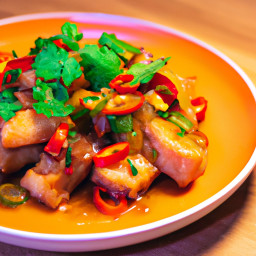
4 bone-in pork chops
3 tbsp (45 ml) soy sauce
2 tbsp (30 ml) honey
2 tbsp (30 ml) rice vinegar
1 tbsp (15 ml) sriracha sauce
2 cloves garlic, minced
1 tsp grated ginger
1 tbsp (15 ml) sesame oil
2 green onions, chopped (for garnish)
Sesame seeds (for garnish)
1. In a small bowl, combine soy sauce, honey, rice vinegar, sriracha, minced garlic, and grated ginger. Mix well to create the marinade.
2. Place the pork chops in a shallow dish and pour the marinade over them. Allow the chops to marinate in the refrigerator for at least 1 hour, turning once to coat both sides evenly.
3. Preheat grill or grill pan over medium-high heat. Remove pork chops from the marinade, allowing excess to drip off. Reserve the marinade.
4. Brush the grill with sesame oil and grill the pork chops for about 4-5 minutes on each side, or until an internal temperature of 145°F (63°C) is reached.
5. Meanwhile, pour the reserved marinade into a small saucepan. Bring to a boil, then reduce heat to low and simmer for 5 minutes until slightly thickened.
6. Brush the cooked pork chops with the reduced marinade, garnish with chopped green onions and sesame seeds, and serve immediately.

4 pork chops
1 / 2 cup (120 ml) soy sauce
1 / 4 cup (60 ml) mirin
1 / 4 cup (60 ml) sake
2 tbsp (30 ml) brown sugar
2 cloves garlic, minced
1 tsp (5 ml) grated ginger
1 tbsp (15 ml) vegetable oil
1 tbsp (15 ml) cornstarch mixed with 1 tbsp (15 ml) water (optional thickening agent)
Steamed rice, for serving
Steamed broccoli, for garnish
1. In a medium-sized bowl, whisk together the soy sauce, mirin, sake, brown sugar, minced garlic, and grated ginger to make the teriyaki sauce.
2. Pour 1/4 cup of the teriyaki sauce over the pork chops in a shallow dish. Let them marinate in the refrigerator for at least 30 minutes.
3. Heat the vegetable oil in a large skillet over medium heat. Add the marinated pork chops and cook for about 4-5 minutes on each side until cooked through and caramelized.
4. Remove the pork chops from the skillet and set aside. Pour the remaining teriyaki sauce into the skillet and bring to a gentle boil.
5. If desired, add the cornstarch slurry to the sauce and cook until thickened. Return the pork chops to the skillet, tossing them in the sauce to coat.
6. Serve the teriyaki pork chops over steamed rice and garnish with steamed broccoli for a complete meal.

4 pork chops
1 / 4 cup (60 ml) hoisin sauce
2 tbsp (30 ml) soy sauce
1 tbsp (15 ml) rice vinegar
1 tsp (5 ml) sesame oil
2 cloves garlic, minced
1 tbsp (15 ml) vegetable oil
Fresh cilantro, for garnish
Lime wedges, for serving
1. In a small bowl, combine the hoisin sauce, soy sauce, rice vinegar, sesame oil, and minced garlic to create the glaze.
2. Preheat a grill pan over medium-high heat and brush with vegetable oil.
3. Brush the pork chops generously with the hoisin glaze, coating both sides.
4. Grill the pork chops for 4-5 minutes on each side, brushing with additional glaze as needed, until cooked through and caramelized.
5. Let the pork chops rest for a few minutes after cooking. Garnish with fresh cilantro and serve with lime wedges for squeezing over the top.

4 bone-in pork chops
2 ripe peaches, peeled and sliced
1 / 4 cup (50 g) brown sugar
1 / 4 cup (60 ml) apple cider vinegar
1 tbsp (15 ml) Dijon mustard
2 tsp (10 ml) olive oil
Salt and pepper to taste
1. Season the pork chops with salt and pepper on both sides. Heat olive oil in a large skillet over medium-high heat. Add the pork chops and cook for 4-5 minutes on each side or until they are golden brown and cooked through. Remove them from the skillet and keep warm.

2. In the same skillet, add sliced peaches, brown sugar, apple cider vinegar, and Dijon mustard. Stir to combine, scraping any browned bits from the bottom of the pan. Cook for about 5-7 minutes, until the peaches are soft and the sauce has thickened slightly.

3. Return the pork chops to the skillet, spooning some of the peach glaze over each chop. Cook for an additional 2-3 minutes to allow the flavors to meld together. Serve warm, with extra peach glaze spooned over the top. Enjoy!

2 large eggs
1 / 4 cup (30 g) diced ham
1 / 4 cup (28 g) shredded cheddar cheese
Salt and pepper to taste
1 tbsp (15 g) butter
1. Crack the eggs into a bowl, add salt and pepper, and whisk until well combined.
2. Heat the butter in a non-stick skillet over medium heat. Once melted, add the ham and cook for about 2 minutes.
3. Pour the eggs over the ham in the skillet. Cook without stirring until the eggs begin to set around the edges.
4. Sprinkle the cheddar cheese evenly over the omelette and cook until the cheese is melted and the eggs are fully set.
5. Fold the omelette in half and serve immediately.

2 slices white bread
1 / 2 cup (120 ml) cooked chicken, shredded
1 / 4 cup (30 ml) shredded cheddar cheese
1 tbsp (15 ml) mayonnaise
Salt to taste
Black pepper to taste
1 tbsp (15 g) butter
1. Spread mayonnaise on one side of each bread slice. Top one slice with the shredded chicken, sprinkle with salt and pepper, and then add the cheddar cheese.
2. Press the second slice of bread on top to close the sandwich.
3. Heat the butter in a skillet over medium heat. Place the sandwich in the skillet and cook for about 3 minutes on each side, or until the bread is golden brown and the cheese has melted.
4. Remove from the heat, slice in half, and serve warm.
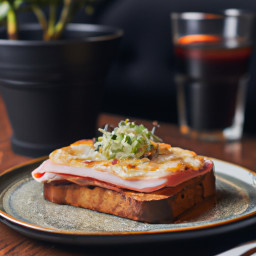
2 slices white bread
2 slices ham
1 / 4 cup (25 g) shredded cheddar cheese
1 large egg
1 / 4 cup (60 ml) milk
Salt and pepper to taste
1 tbsp (15 g) butter
1. Whisk the egg, milk, salt, and pepper in a shallow bowl.
2. Assemble the sandwich by layering the ham and cheddar cheese between the slices of bread.
3. Dip the entire sandwich into the egg mixture, ensuring both sides are well coated.
4. Melt the butter in a skillet over medium heat. Add the sandwich and cook for about 4 minutes per side, or until the bread is golden and the cheese is melted.
5. Serve immediately, cut in half if desired.
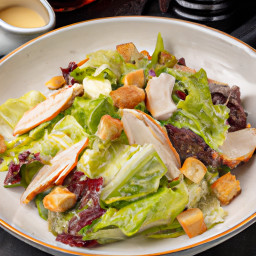
2 cups (about 150 g) shredded rotisserie chicken
4 cups (about 190 g) chopped romaine lettuce
1 / 2 cup (120 ml) Caesar dressing
1 / 4 cup (20 g) grated Parmesan cheese
1 cup (about 50 g) croutons
2 anchovy fillets (optional)
Black pepper to taste
1. In a large bowl, combine the chopped romaine lettuce with shredded rotisserie chicken.
2. Add Caesar dressing and toss the salad until everything is well coated.
3. Sprinkle with grated parmesan cheese and add croutons for crunch.
4. If desired, finely chop a couple of anchovy fillets and mix them into the salad for an authentic flavor.
5. Season with freshly ground black pepper to taste and serve immediately.

---
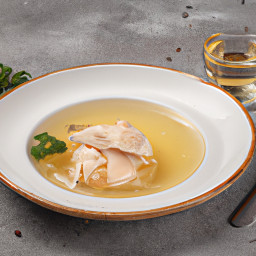
2 cups (about 300 g) shredded rotisserie chicken
1 cup (130 g) diced carrots
1 cup (120 g) diced celery
1 cup (150 g) diced onion
2 cloves garlic, minced
6 cups (1.4 L) chicken broth
1 bay leaf
1 tsp dried thyme
Salt and pepper to taste
1. In a large pot, sauté the diced onion, carrots, and celery over medium heat until softened, about 5-7 minutes. Add minced garlic and cook for an additional minute.
2. Pour in the chicken broth and add the shredded rotisserie chicken, bay leaf, and thyme. Bring the soup to a simmer and cook for 20-25 minutes, allowing the flavors to meld.
3. Season the soup with salt and freshly ground pepper to taste. Remove the bay leaf before serving.

---

2 cups (about 200 g) shredded rotisserie chicken
8 oz (225 g) fettuccine pasta
1 cup (240 ml) heavy cream
1 cup (100 g) grated Parmesan cheese
4 tbsp (60 g) butter
2 cloves garlic, minced
Salt and pepper to taste
2 tbsp (8 g) chopped parsley (for garnish)
1. Cook the fettuccine pasta according to package instructions. Drain and set aside.
2. In a large pan, melt butter over medium heat, add minced garlic and sauté for about 1 minute until fragrant.
3. Pour in the heavy cream and bring it to a simmer. Gradually whisk in the grated Parmesan cheese until smooth and melted.
4. Add the shredded rotisserie chicken to the sauce, stirring until heated through. Season with salt and pepper to taste.
5. Toss the cooked fettuccine in the Alfredo sauce until well coated. Serve with a garnish of chopped parsley.

2 filet mignon steaks
2 tbsp (30 ml) olive oil
Salt and freshly ground black pepper, to taste
1 small red onion, finely sliced
3 cloves garlic, minced
1 / 2 cup (120 ml) beef stock
2 tbsp (30 g) unsalted butter
1 tsp fresh thyme leaves (optional)
1. **Prepare the Steak:**
   - Season each filet mignon generously with salt and freshly ground black pepper on both sides.
   - Heat the olive oil in a skillet over medium-high heat until it's shimmering.

2. **Sear the Steaks:**
   - Add the seasoned filet mignon to the hot skillet. Sear each side for about 3 to 4 minutes for medium-rare, adjusting time accordingly for desired doneness.
   - Once cooked to your liking, remove the steaks from the skillet and let them rest on a plate, tented loosely with foil to keep warm.

3. **Make the Sauce:**
   - In the same skillet, add the sliced red onion and cook over medium heat until softened, about 3-4 minutes.
   - Add the minced garlic and sauté for another minute until fragrant.
   - Pour in the beef stock, scraping up any browned bits from the bottom of the pan. Allow the mixture to simmer and reduce by half.
   - Stir in the butter and thyme leaves, if using, to create a smooth sauce.

4. **Serve:**
   - Plate the rested filet mignon steaks and top them with the garlic and red onion sauce.
   - Serve immediately, garnished with additional thyme if desired. Enjoy!
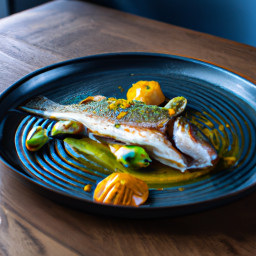
2 sea bass fillets
2 leeks
1 lemon
1 tablespoon butter
1 tablespoon olive oil
salt
black pepper
1. Slice the leeks thinly, discarding the dark green tops and roots. Rinse them thoroughly to remove any grit or dirt.
2. Heat a tablespoon of butter in a pan over medium heat. Add the sliced leeks and cook for 5-7 minutes until they become soft and translucent. Season with salt and pepper, and add a squeeze of lemon juice.
3. Pat the sea bass fillets dry with a paper towel. Season both sides with salt and freshly ground black pepper.
4. Heat a tablespoon of olive oil in a separate pan over medium-high heat. Place the sea bass fillets in the pan, skin side down. Cook for 3-4 minutes on the skin side until crispy and golden brown. Flip the fillets and cook for another 1-2 minutes until the fish is opaque and flakes easily with a fork.
5. Place a portion of the lemon-infused leeks on each serving plate. Top with the seared sea bass fillet. Garnish with a fresh lemon wedge and serve immediately.

2 duck breasts
Salt and black pepper, to taste
1 tbsp (15 ml) vegetable oil
1 / 2 cup (120 ml) freshly squeezed orange juice
2 tbsp (30 ml) honey
1 tbsp (15 ml) white wine vinegar
1 tbsp (15 ml) soy sauce
1 tsp (5 ml) orange zest
1 tsp (5 ml) cornstarch mixed with 1 tbsp (15 ml) water
1. **Prepare the Duck Breasts:** Pat the duck breasts dry with paper towels. Score the skin in a crosshatch pattern without cutting into the meat. Season generously with salt and black pepper.
2. **Sear the Duck Breasts:** Heat the vegetable oil in a skillet over medium-high heat. Place the duck breasts skin-side down and cook for about 6-8 minutes until the skin is crispy and golden brown. Flip and cook for another 4 minutes for medium-rare, or longer if you prefer more doneness. Remove from the skillet, let rest for 5 minutes, then slice.
3. **Prepare the Orange Sauce:** In a small saucepan, combine orange juice, honey, white wine vinegar, soy sauce, and orange zest. Bring to a simmer over medium heat. Add the cornstarch mixture and stir until the sauce thickens. Adjust seasoning with salt and pepper if necessary.
4. **Serve:** Spoon the orange sauce over the sliced duck breast and serve immediately. Enjoy with your choice of side dishes, such as roasted vegetables or mashed potatoes.

2 duck breasts
Salt and black pepper, to taste
1 tbsp (15 ml) olive oil
3 / 4 cup (180 ml) fresh orange juice
1 / 4 cup (60 ml) chicken stock
1 / 4 cup (60 ml) Grand Marnier or other orange liqueur
2 tbsp (30 g) sugar
2 tbsp (30 ml) apple cider vinegar
1 tsp (5 ml) orange zest
1 tbsp (15 g) butter
1. **Prepare the Duck Breasts:** Pat the duck breasts dry and score the skin in a cross-hatch pattern. Season with salt and black pepper.
2. **Cook the Duck Breasts:** Heat olive oil in a skillet over medium-high heat. Place duck breasts skin-side down and cook until the skin is crispy, about 6-8 minutes. Turn the duck and cook the other side for 4-5 minutes. Remove from skillet, cover with foil, and let rest for 5 minutes.
3. **Make the Sauce:** In the same skillet, drain excess fat, leaving about 1 tablespoon. Add sugar and apple cider vinegar. Let the sugar dissolve and caramelize slightly. Pour in orange juice, chicken stock, and Grand Marnier. Add orange zest and allow the sauce to reduce by half. Finish with a tablespoon of butter for silkiness.
4. **Serve:** Slice the duck breasts and pour the sauce over them. Serve alongside vegetables or rice for a complete meal.
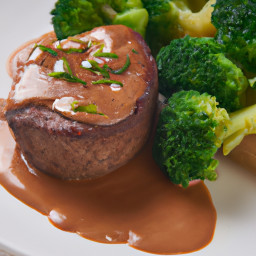
2 filet mignon steaks, about 6 oz / 170 g each
Salt and freshly ground black pepper to taste
2 tbsp (30 ml) olive oil
2 tbsp (30 g) unsalted butter
3 cloves garlic, minced
1 lb (450 g) broccoli florets
1 lemon, juiced
Salt and pepper to taste
1. **Prepare the Filet Mignon:** Season Filet Mignon steaks generously with salt and freshly ground black pepper on both sides.
2. **Cook the Steaks:** Heat olive oil in a skillet over medium-high heat. Add the steaks and cook for about 3-4 minutes on each side for medium-rare, adjusting the time to your preferred level of doneness. Remove the steaks from the skillet and let them rest.
3. **Sauté Broccoli:** In the same skillet, add unsalted butter and let it melt. Add minced garlic and sauté for about 30 seconds. Add the broccoli florets, stirring well to coat them with the garlic butter. Add lemon juice, and salt and pepper to taste. Cook for 4-5 minutes until the broccoli is tender but still crisp.
4. **Serve:** Plate the filet mignon steaks with a generous serving of sautéed broccoli on the side. Drizzle any remaining pan juices over the steaks before serving.

---

1 lb (450 g) filet mignon, thinly sliced against the grain
1 tbsp (15 ml) soy sauce
1 tbsp (15 ml) oyster sauce
2 tsp (6 g) cornstarch
1 tbsp (15 ml) vegetable oil
3 cups (270 g) broccoli florets
1 tbsp (6 g) fresh ginger, minced
3 cloves garlic, minced
1 / 2 cup (120 ml) beef broth
2 tbsp (30 ml) soy sauce
1 tbsp (15 ml) oyster sauce
1 tsp (5 ml) sesame oil
1 tsp (4 g) sugar
1 tbsp (9 g) sesame seeds (optional)
Cooked rice for serving
1. **Marinate the Beef:** In a bowl, combine sliced Filet Mignon with 1 tablespoon soy sauce, 1 tablespoon oyster sauce, and cornstarch. Mix well and let it marinate for 15-20 minutes.
2. **Cook the Broccoli:** Heat vegetable oil in a large skillet or wok over medium-high heat. Add broccoli florets and stir-fry for about 3 minutes until bright green and tender-crisp. Remove from skillet and set aside.
3. **Cook the Beef:** In the same skillet, add marinated Filet Mignon and stir-fry for about 2-3 minutes until the beef is browned and cooked through. Add ginger and garlic, and sauté for an additional 30 seconds until fragrant.
4. **Prepare the Sauce:** In a small bowl, mix beef broth, the remaining soy sauce, oyster sauce, sesame oil, and sugar. Pour this sauce over the beef in the skillet and bring to a simmer.
5. **Combine and Serve:** Add the cooked broccoli back to the skillet, tossing everything to coat well in the sauce. Cook for another 1-2 minutes. Sprinkle with sesame seeds, if desired, and serve hot over cooked rice.
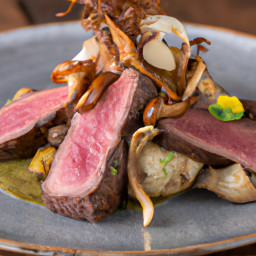
2 venison steaks
8 oz / 225 g oyster mushrooms, sliced
3 cloves garlic, minced
1 large yellow onion, thinly sliced
Salt and pepper to taste
2 tbsp (30 ml) olive oil
1 tbsp (15 g) butter
Fresh thyme sprigs (optional garnish)
1. **Prepare the Steaks**: Season the venison steaks with salt and pepper on both sides. Let them rest at room temperature for about 15 minutes while you prepare the other ingredients.

2. **Sauté the Vegetables**: In a large skillet, heat olive oil over medium-high heat. Add the sliced onions and garlic, cooking until they are soft and translucent (about 5 minutes). Add the oyster mushrooms and butter, stirring to combine. Cook for another 5-7 minutes, or until the mushrooms are tender and golden brown. Season with salt and pepper to taste, then remove the mushroom mixture from the skillet and set aside.

3. **Cook the Steaks**: In the same skillet, add a little more olive oil if needed, and increase the heat to high. Add the venison steaks and sear for 3-4 minutes on each side (for medium-rare), or adjust the cooking time to your preferred doneness. Remove the steaks from the skillet and let them rest for a few minutes.

4. **Serve**: Plate the venison steaks alongside the sautéed oyster mushrooms and onions. Garnish with fresh thyme sprigs if desired. Enjoy your classic and hearty meal!

2 bone-in chicken breasts
3 tbsp (45 ml) olive oil
4 cloves garlic, minced
1 tbsp fresh rosemary, chopped
1 tbsp fresh thyme, chopped
Salt and pepper to taste
Lemon wedges for serving
1. **Preheat the Oven**: Preheat your oven to 400°F (200°C).
2. **Prepare the Marinade**: In a small bowl, combine the olive oil, minced garlic, rosemary, and thyme. Season with salt and pepper.
3. **Marinate the Chicken**: Rub the herb mixture generously over the chicken breasts, ensuring they are well-coated. Let the chicken sit for about 30 minutes to absorb the flavors.
4. **Roast the Chicken**: Place the chicken breasts on a baking dish. Roast in the preheated oven for 35-45 minutes, or until the chicken is golden brown and cooked through, with internal temperature reaching 165°F (74°C).
5. **Serve**: Remove from the oven and let rest for a few minutes. Serve warm with lemon wedges on the side for an added zing.

2 bone-in chicken breasts
Salt and pepper to taste
2 tbsp (30 ml) all-purpose flour
3 tbsp (45 ml) olive oil
1 / 2 cup (120 ml) chicken stock
1 / 4 cup (60 ml) fresh lemon juice
1 / 4 cup (60 ml) capers, drained
3 tbsp (45 g) unsalted butter
2 tbsp (8 g) fresh parsley, chopped
1. **Season and Coat the Chicken**: Season the chicken breasts with salt and pepper. Lightly coat them in flour, shaking off any excess.
2. **Sear the Chicken**: In a large skillet, heat the olive oil over medium-high heat. Add the chicken breasts skin-side down and cook until golden brown, about 5-6 minutes per side. Remove and set aside.
3. **Prepare the Sauce**: In the same skillet, add chicken stock, lemon juice, and capers. Bring to a boil, scraping up browned bits from the pan for extra flavor.
4. **Finish Cooking the Chicken**: Return the chicken to the skillet. Reduce heat to low and simmer until chicken is cooked through, about 20 minutes. Remove the chicken and place on a serving platter.
5. **Make the Sauce**: Increase the heat and whisk in the butter, creating a velvety sauce. Pour over the chicken, garnish with fresh parsley, and serve.
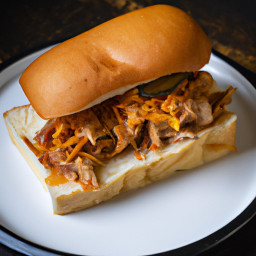
4-5 lb (1.8-2.3 kg) pork shoulder
2 tbsp (30 ml) brown sugar
1 tbsp (15 ml) paprika
1 tbsp (15 ml) salt
1 tsp (5 ml) black pepper
1 tsp (5 ml) garlic powder
1 tsp (5 ml) onion powder
1 / 2 tsp (2.5 ml) cayenne pepper
1 cup (240 ml) apple cider vinegar
1 cup (240 ml) chicken broth
1 cup (240 ml) barbecue sauce
Sandwich buns
1. In a small bowl, combine brown sugar, paprika, salt, black pepper, garlic powder, onion powder, and cayenne pepper. Rub this spice mixture all over the pork shoulder.
2. Place the pork shoulder in a slow cooker. Pour in the apple cider vinegar and chicken broth. Cover and cook on low for 8-10 hours, until the pork is tender and easily pulls apart with a fork.
3. Once done, remove the pork from the slow cooker and shred it using two forks. Discard any excess fat.
4. Return the shredded pork to the slow cooker and stir in the barbecue sauce. Cook on low for an additional 30 minutes.
5. Serve the pulled pork hot on sandwich buns, with extra barbecue sauce if desired.
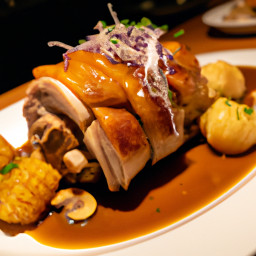
5-6 lb (2.3-2.7 kg) pork shoulder
2 tbsp (30 ml) olive oil
Salt and black pepper to taste
2 tsp dried rosemary
2 tsp dried thyme
4 cloves garlic, minced
2 onions, quartered
4 carrots, cut into large chunks
2 cups (480 ml) chicken broth
1 cup (240 ml) dry white wine (optional)
1. Preheat your oven to 325°F (163°C).
2. Season the pork shoulder generously with salt, black pepper, rosemary, thyme, and minced garlic. Rub olive oil all over the meat.
3. Place the onions and carrots in the bottom of a roasting pan. Set the seasoned pork shoulder on top of the vegetables.
4. Pour the chicken broth and wine (if using) into the pan, around the pork.
5. Cover the roasting pan with aluminum foil or a lid, and roast in the preheated oven for approximately 4-5 hours, or until the pork is tender and easily shreds with a fork.
6. Remove from oven and let the pork rest for about 15 minutes before slicing and serving with the roasted vegetables and pan juices.

2 lbs / 900 g top round beef
4 cloves garlic, minced
1 large yellow onion, chopped
3 large carrots, peeled and cut into chunks
1 celery root, peeled and diced
2 tbsp (30 ml) olive oil
2 cups (480 ml) beef broth
1 tbsp (15 ml) tomato paste
1 tsp dried thyme
Salt and pepper to taste
1. Preheat your oven to 325°F (163°C). Season the top round beef generously with salt and pepper. Heat the olive oil in a large Dutch oven or oven-safe pot over medium-high heat. Sear the beef on all sides until browned, about 4-5 minutes per side. Remove the beef and set it aside.

2. In the same pot, add the minced garlic, chopped onion, carrots, and celery root. Sauté for about 5 minutes or until the vegetables begin to soften. Stir in the tomato paste, cooking for another 2 minutes. Add the beef broth and thyme, scraping up any browned bits from the bottom of the pot. Return the beef to the pot, cover with the lid, and transfer to the preheated oven. Roast for approximately 2.5 to 3 hours, or until the beef is tender and the vegetables are cooked through. Serve warm.

1 lb (450 g) Italian beef sausage
2 tbsp (30 ml) olive oil
1 red bell pepper, sliced
1 green bell pepper, sliced
1 yellow bell pepper, sliced
1 large onion, sliced
3 cloves garlic, minced
1 tsp dried oregano
1 tsp dried basil
Salt and black pepper to taste
Optional: crusty Italian bread for serving
1. **Prepare the Sausages:** Heat 1 tablespoon of olive oil in a large skillet over medium heat. Add the Italian beef sausages and cook until browned on all sides but not fully cooked through, about 5 minutes. Remove the sausages from the pan and set aside.

2. **Cook the Vegetables:** In the same skillet, add the remaining tablespoon of olive oil. Add the sliced onions and bell peppers to the pan, and sauté until they are soft and slightly caramelized, about 7-8 minutes. Stir in the minced garlic, dried oregano, dried basil, and cook for another 2 minutes.

3. **Combine Ingredients:** Return the sausages to the skillet with the vegetables. Lower the heat and cover the skillet. Allow everything to cook together until the sausages are cooked through, about 10-15 minutes. Season with salt and black pepper to taste.

4. **Serve:** Serve the Italian sausage and peppers on a platter or stuffed inside crusty Italian bread for a delicious sandwich.

1 lb (450 g) Italian beef sausage
12 oz (340 g) pasta (penne or rigatoni)
2 tbsp (30 ml) olive oil
1 onion, chopped
3 cloves garlic, minced
1 can (14 oz / 400 g) crushed tomatoes
1 / 2 cup (120 ml) heavy cream
1 tsp dried oregano
1 tsp dried basil
Salt and black pepper to taste
1 / 4 cup (25 g) grated Parmesan cheese
Fresh basil leaves for garnish
1. **Cook the Pasta:** Boil the pasta in salted water according to the package instructions until al dente. Drain and set aside.

2. **Brown the Sausage:** In a large skillet, heat the olive oil over medium heat. Remove the Italian sausage from its casing and crumble it into the skillet. Cook until browned and cooked through, about 7-8 minutes. Remove the sausage from the skillet and set aside.

3. **Prepare the Sauce:** In the same skillet, add the chopped onion and cook until translucent, about 4 minutes. Add the minced garlic and sauté for an additional minute. Stir in the crushed tomatoes, heavy cream, dried oregano, and basil. Season with salt and black pepper to taste. Simmer the sauce over low heat for about 10 minutes.

4. **Combine and Serve:** Add the cooked pasta and cooked sausage to the skillet, and toss everything to combine well with the sauce. Cook for an additional 2 minutes to heat everything through. Top with grated Parmesan cheese and fresh basil leaves before serving.
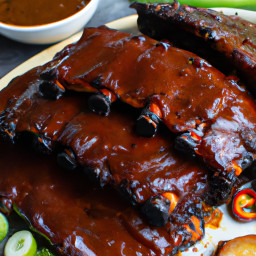
3 lbs / 1.4 kg spare ribs
Salt and pepper to taste
1 cup (240 ml) barbecue sauce (store-bought or homemade)
2 tbsp (30 ml) brown sugar
1 tbsp (15 ml) apple cider vinegar
1 tsp (5 ml) smoked paprika
1 tsp (5 ml) garlic powder
1 tsp (5 ml) onion powder
1. **Prepare the Ribs**: Preheat your oven to 300°F (150°C). If needed, remove the membrane from the back of the spare ribs for more tender results. Season the ribs generously with salt and pepper on both sides.

2. **Bake the Ribs**: Place the ribs on a baking sheet lined with aluminum foil. Cover the ribs with another sheet of foil to keep in moisture. Bake in the preheated oven for about 2.5-3 hours until they are tender.

3. **Prepare the Sauce**: While the ribs are baking, in a small saucepan, combine the barbecue sauce, brown sugar, apple cider vinegar, smoked paprika, garlic powder, and onion powder. Simmer over low heat, stirring occasionally, until the mixture is well blended and slightly thickened.

4. **Glaze and Grill**: Preheat a grill to medium-high heat. Remove the ribs from the oven and carefully transfer them to the grill. Brush the ribs generously with the barbecue sauce and grill for about 10-15 minutes, flipping once and brushing additional sauce as needed, until the ribs are caramelized and charred to your liking.

5. **Serve**: Remove the ribs from the grill and let them rest for a few minutes before cutting into individual pieces. Serve hot with extra barbecue sauce on the side if desired. Enjoy your smoky and delicious barbecue spare ribs!

---

2 lbs / 900 g spare ribs
2 tbsp (30 ml) vegetable oil
1 / 4 cup (60 ml) light soy sauce
2 tbsp (30 ml) dark soy sauce
1 tbsp (15 ml) Shaoxing wine (or dry sherry)
2 tbsp (30 g) brown sugar
3 slices ginger
2 cloves garlic, smashed
2 star anise
1 cinnamon stick
1 cup (240 ml) water
1. **Prepare the Ribs**: Cut the spare ribs into individual pieces if not already done. In a large pot or wok, heat the vegetable oil over medium-high heat. Add the spare ribs and brown them on all sides.

2. **Add Aromatics and Sauce**: Lower the heat to medium. Add the ginger, garlic, star anise, and cinnamon stick to the pot with the ribs, stirring for about 1 minute until aromatic.

3. **Braise the Ribs**: Add the light soy sauce, dark soy sauce, Shaoxing wine, brown sugar, and water to the pot. Stir to combine and bring the mixture to a boil.

4. **Simmer**: Once boiling, reduce the heat to low, cover the pot or wok, and let it simmer for about 1.5 to 2 hours, stirring occasionally. The ribs should become tender, and the sauce will reduce and thicken.

5. **Serve**: Remove the ginger slices, star anise, and cinnamon stick before serving. Transfer the ribs onto a serving dish, spooning the sauce over them. Serve hot with steamed rice or your choice of side dishes. Enjoy your aromatic and savory braised spare ribs!

1 lb (450 g) boneless, skinless chicken breast
1 bunch (about 1 / 2 lb / 225 g) asparagus
8 oz (225 g) button mushrooms
1 medium red onion
2 cloves garlic
1. Slice the chicken thinly, trim asparagus into bite-sized pieces, quarter mushrooms, thinly slice red onion, and mince garlic.
2. Heat a wide skillet or wok over high heat until hot; add the chicken in a single layer and sear until lightly browned and nearly cooked through, 2–4 minutes.
3. Push the chicken to the side, add red onion and asparagus, and stir until the onion begins to soften and asparagus is bright green, about 2–3 minutes.
4. Add mushrooms and garlic to the pan and stir-fry until mushrooms release moisture and all ingredients are cooked through, about 3 more minutes.
5. Combine everything in the pan, taste for doneness, remove from heat, and serve immediately.

4 lb (1.8 kg) beef ribs
2 tbsp (30 ml) olive oil
1 tbsp (15 ml) salt
1 tbsp (15 ml) black pepper
1 tbsp (15 ml) garlic powder
1 tbsp (15 ml) onion powder
2 tsp (10 ml) paprika
1 tsp (5 ml) cayenne pepper
2 cups (480 ml) barbecue sauce
1. **Preheat the Oven or Grill:**
   - Preheat your grill to 250°F (120°C) if you're smoking the ribs. If using an oven, preheat to 275°F (135°C).

2. **Prepare the Ribs:**
   - Pat the ribs dry with paper towels. Remove the membrane from the back of the ribs if it hasn't been already removed by the butcher.

3. **Season the Ribs:**
   - In a small bowl, mix together salt, black pepper, garlic powder, onion powder, paprika, and cayenne pepper.
   - Rub the olive oil over the ribs, then evenly coat them with the seasoning mix.

4. **Cook the Ribs:**
   - If using a grill, place the ribs on the grill with indirect heat, bone side down, and close the lid. Cook for 2.5 to 3 hours, maintaining a consistent temperature.
   - For oven cooking, place the ribs on a baking sheet lined with foil, cover tightly with another sheet of foil, and bake for 3 hours.

5. **Add the Barbecue Sauce:**
   - After initial cooking, remove the ribs and generously brush with barbecue sauce.

6. **Finish Cooking:**
   - Return the ribs to the grill or oven, and cook for an additional 30 minutes to 1 hour, basting with sauce every 15 minutes, until the ribs are tender and the sauce has caramelized.

7. **Rest and Serve:**
   - Remove the ribs from the heat and let them rest for 5-10 minutes before slicing and serving with extra barbecue sauce on the side.

8 lamb chops
1 / 4 cup (60 ml) olive oil
2 tbsp (30 ml) fresh rosemary, chopped
2 tbsp (30 ml) fresh thyme, chopped
4 cloves garlic, minced
Salt and pepper to taste
Lemon wedges for serving
1. **Prepare the Marinade:** In a bowl, combine olive oil, rosemary, thyme, and garlic. Mix well to create the marinade.
2. **Marinate the Lamb Chops:** Place the lamb chops in a shallow dish and season with salt and pepper. Pour the marinade over the chops, ensuring they are well coated. Cover the dish and refrigerate for at least 1 hour, allowing the flavors to marry.
3. **Preheat the Grill:** Preheat your grill to medium-high heat. Remove the chops from the marinade and let any excess oil drain off.
4. **Grill the Lamb Chops:** Place the chops on the grill and cook for about 3-4 minutes per side for medium-rare, or until they reach your desired level of doneness.
5. **Rest and Serve:** Remove the lamb chops from the grill and let them rest for a few minutes. Serve hot with lemon wedges on the side for a burst of citrus flavor.

---

1 rack of lamb, frenched
2 tbsp (30 ml) Dijon mustard
2 tbsp (30 ml) olive oil
2 tbsp (8 g) fresh parsley, chopped
2 tbsp (8 g) fresh rosemary, chopped
2 tbsp (8 g) fresh thyme, chopped
Salt and pepper to taste
1 cup (90 g) breadcrumbs
1. **Preheat the Oven:** Preheat your oven to 400°F (200°C). Season the rack of lamb generously with salt and pepper.
2. **Prepare the Herb Crust:** In a small bowl, combine Dijon mustard, olive oil, parsley, rosemary, and thyme to create a paste.
3. **Apply the Crust to the Lamb:** Spread the Dijon and herb mixture evenly over the meaty part of the lamb rack. Press breadcrumbs onto the mustard-coated lamb to create the crust.
4. **Roast the Lamb:** Place the lamb on a roasting pan fat side up and roast in the preheated oven for about 20-25 minutes, or until the internal temperature reaches 135°F (57°C) for medium-rare.
5. **Rest and Serve:** Remove the lamb from the oven, cover with foil, and let it rest for about 5-10 minutes. Slice the lamb into chops and serve immediately.

---

8 lamb chops
2 tbsp (30 ml) olive oil
1 onion, finely chopped
4 cloves garlic, minced
1 can (14 oz / 400 g) diced tomatoes
1 / 2 cup (75 g) black olives, pitted and sliced
2 tsp fresh oregano, chopped
1 tsp fresh thyme, chopped
Salt and pepper to taste
1 / 2 cup (120 ml) red wine (optional)
1. **Sear the Lamb Chops:** Heat olive oil in a large skillet over medium-high heat. Season lamb chops with salt and pepper, and sear in the skillet until browned on both sides. Remove the chops and set aside.
2. **Prepare the Sauce:** In the same skillet, add onion and garlic, and sauté until softened. Add the diced tomatoes, olives, oregano, thyme, and red wine (if using). Stir well and bring to a simmer.
3. **Braise the Lamb Chops:** Return the lamb chops to the skillet, nestling them into the sauce. Cover, reduce heat to low, and let simmer for about 45 minutes, or until the lamb is tender.
4. **Serve:** Adjust seasoning if necessary, and serve the lamb chops with the sauce spooned over the top, alongside crusty bread or your favorite side dish.

1 T-bone steak (about 1 1 / 2 inches thick)
Salt and freshly ground black pepper, to taste
2 tbsp (30 ml) vegetable oil
3 tbsp (45 g) unsalted butter
4 cloves garlic, smashed
1 tbsp (3 g) fresh thyme leaves
1. **Season the Steak:**
   - Bring the T-bone steak to room temperature, then generously season both sides with salt and freshly ground black pepper.

2. **Preheat the Pan:**
   - Heat a large cast iron skillet over medium-high heat. Once hot, add the vegetable oil and let it heat until just smoking.

3. **Sear the Steak:**
   - Carefully place the steak in the pan. Sear for 3-4 minutes on one side without moving it to create a nice brown crust.

4. **Flip and Add Butter:**
   - Flip the steak using tongs. Add the butter, garlic, and thyme to the skillet. Baste the steak with the melted butter and aromatics by tilting the pan and using a spoon.

5. **Finish Cooking:**
   - Continue cooking to your desired doneness, about 3-4 minutes more for medium-rare. Use a meat thermometer for accuracy (135°F/57°C for medium-rare).

6. **Rest the Steak:**
   - Transfer the steak to a plate and let it rest for 5 minutes, covered loosely with foil.

7. **Serve:**
   - Slice against the grain and serve with the garlic butter sauce drizzled over the top. Enjoy the delightful textures and flavors!

1 cup (200 g) Arborio rice
5 cups (1.2 L) chicken broth
2 tbsp (30 ml) olive oil
1 small onion, finely chopped
1 cup (30 g) fresh spinach, roughly chopped
1 / 2 cup (50 g) grated Parmesan cheese
Salt and pepper to taste
1 tbsp (14 g) butter
4 chicken wings
Fresh parsley for garnish (optional)
1. Heat olive oil in a large skillet over medium heat. Add the onion and sauté until it becomes translucent.
2. Add the Arborio rice to the skillet, stirring frequently until lightly toasted. Then gradually add warm chicken broth, one cup at a time, stirring frequently and allowing the rice to absorb the liquid before adding more.
3. While the risotto is cooking, season the chicken wings with salt and pepper. In a separate pan, heat butter and cook the chicken wings until golden and fully cooked. Set aside.
4. Once the rice is creamy and al dente, about 18-20 minutes, stir in the spinach and grated Parmesan cheese. Season with salt and pepper to taste.
5. Serve the risotto topped with cooked chicken wings and garnish with fresh parsley if desired.

---
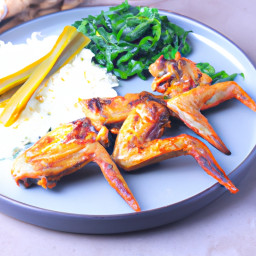
8 chicken wings
2 tbsp (30 ml) olive oil
Salt and pepper to taste
1 tsp smoked paprika
1 cup (200 g) Arborio rice
2 cups (480 ml) chicken broth
1 cup (30 g) fresh spinach, chopped
2 cloves garlic, minced
1 small onion, finely chopped
Lemon wedges (optional)
1. Preheat your grill to medium-high heat. Season the chicken wings with olive oil, salt, pepper, and smoked paprika. Grill wings for about 15-20 minutes, turning occasionally, until fully cooked and golden brown.
2. In a large skillet, heat olive oil over medium heat. Add the chopped onion and minced garlic, sautéing until the onion is soft.
3. Stir in the Arborio rice and cook for a couple of minutes until slightly toasted. Begin adding chicken broth, one cup at a time, allowing the rice to absorb the liquid before adding more.
4. Once all the broth has been absorbed and the rice is tender, stir in the chopped spinach and season with salt and pepper.
5. Serve the spinach pilaf alongside the grilled chicken wings, with optional lemon wedges for squeezing over the top for extra flavor.
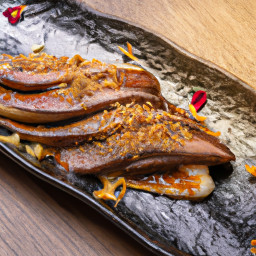
2 wild duck breasts
1 / 4 cup (60 ml) soy sauce
1 tbsp (15 ml) sesame oil
2 tbsp (30 ml) brown sugar
1-inch piece ginger, grated
3 cloves garlic, minced
1 tbsp (15 ml) rice wine vinegar
1 / 4 tsp black pepper
2 green onions, sliced for garnish
1 tbsp (15 ml) toasted sesame seeds for garnish
1. **Prepare the Marinade**: In a bowl, combine soy sauce, sesame oil, brown sugar, grated ginger, minced garlic, rice wine vinegar, and black pepper. Stir until the sugar has dissolved and all ingredients are well mixed.
2. **Marinate the Duck**: Place the duck breasts in a shallow dish and pour the marinade over them. Cover and refrigerate for at least 2 hours (or overnight for more flavor).
3. **Cook the Duck**: Preheat your grill or a non-stick skillet over medium-high heat. Remove duck breasts from the marinade and pat them dry with paper towels. Grill or sear the duck breasts for about 4-5 minutes on each side, or until they are cooked to your liking.
4. **Serve**: Let the duck rest for 5 minutes, then slice thinly across the grain. Garnish with sliced green onions and toasted sesame seeds before serving.

---

2 wild duck breasts, sliced into thin strips
1 tbsp (15 ml) vegetable oil
1 onion, sliced
1 red bell pepper, sliced
1 cup (100 g) cabbage, chopped
2 tbsp (30 ml) gochujang (Korean chili paste)
2 tbsp (30 ml) soy sauce
1 tbsp (15 ml) honey
2 cloves garlic, minced
1 tsp (5 ml) grated ginger
1 tsp (5 ml) sesame oil
1 cup (200 g) cooked rice, for serving
1 tbsp (9 g) sesame seeds, for garnish
2 green onions, chopped, for garnish
1. **Prepare the Sauce**: In a small bowl, mix gochujang, soy sauce, honey, minced garlic, grated ginger, and sesame oil. Set aside.
2. **Stir-Fry the Vegetables**: In a large wok or skillet, heat the vegetable oil over medium-high heat. Add sliced onion, bell pepper, and cabbage. Stir-fry for about 3-4 minutes until they begin to soften.
3. **Cook the Duck**: Add the sliced duck breast to the skillet with the vegetables. Stir-fry until the duck is cooked through, about 5-6 minutes.
4. **Combine and Serve**: Add the sauce to the wok, stirring to coat the duck and vegetables evenly. Cook for another 2-3 minutes until everything is heated through. Serve over cooked rice, garnished with sesame seeds and chopped green onions.
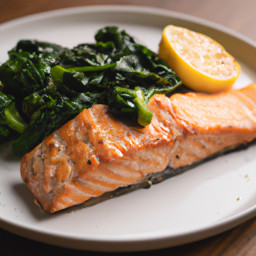
2 salmon fillets
1 large head broccoli, cut into florets
2 cups (60 g) fresh spinach
3 tbsp (45 ml) olive oil
2 cloves garlic, minced
1 lemon, zested and juiced
Salt and pepper to taste
1. **Prepare the Salmon**: Preheat your oven to 400°F (200°C). Place the salmon fillets on a baking sheet lined with parchment paper. Drizzle 1 tablespoon of olive oil, lemon juice, and minced garlic over the salmon. Sprinkle with salt and pepper, then zest the lemon over the top.

2. **Bake the Salmon**: Place the salmon in the preheated oven and bake for about 12-15 minutes, or until the salmon is cooked through and flakes easily with a fork.

3. **Cook the Vegetables**: In a large skillet, heat the remaining 2 tablespoons of olive oil over medium heat. Add the broccoli florets and sauté for 5 minutes. Add the spinach and cook until wilted, about 2 more minutes. Season with salt and pepper.

4. **Serve**: Divide the broccoli and spinach mixture between two plates. Top with the baked salmon. Garnish with additional lemon zest if desired, and enjoy!

---

2 salmon fillets, skin removed and cubed
1 large head broccoli, cut into small florets
2 cups (60 g) fresh spinach
3 tbsp (45 ml) olive oil
2 cloves garlic, minced
Salt and pepper to taste
1. **Sauté the Vegetables**: Heat 1 tablespoon of olive oil in a large frying pan over medium heat. Add broccoli florets and cook for 3 minutes. Then, add the spinach and minced garlic, stir-frying until the spinach is just wilted. Remove the vegetables from the pan and set aside.

2. **Cook the Salmon**: In the same pan, add the remaining olive oil and increase the heat to medium-high. Add the salmon cubes and stir-fry for 4-5 minutes until cooked through and slightly golden. Season with salt and pepper.

3. **Combine and Serve**: Return the broccoli and spinach to the pan, tossing everything together to combine. Cook for an additional minute to heat through, then serve immediately. Enjoy as is or over cooked rice or quinoa for a heartier meal.

1 lb (450 g) ground chicken
1 tbsp (15 ml) vegetable oil
1 small onion, diced
2 cloves garlic, minced
1 tbsp (15 ml) fresh ginger, grated
2 tbsp (30 ml) soy sauce
1 tbsp (15 ml) hoisin sauce
1 tbsp (15 ml) rice vinegar
1 tsp (5 ml) sesame oil
1 / 2 tsp red pepper flakes (optional)
1 cup (130 g) water chestnuts, diced
1 / 2 cup (50 g) green onions, thinly sliced
1 head butter lettuce or iceberg lettuce
Salt and pepper, to taste
1. Heat the vegetable oil in a large skillet over medium-high heat. Add the garlic and ginger, and sauté for 30 seconds until fragrant.
2. Add the onion and cook until translucent, about 3-4 minutes.
3. Add the ground chicken to the skillet, breaking it up with a spoon, and cook until browned and completely cooked through, about 5-7 minutes.
4. Stir in the soy sauce, hoisin sauce, rice vinegar, sesame oil, and red pepper flakes. Let the mixture simmer for 2-3 minutes to allow the flavors to meld together.
5. Add the water chestnuts and green onions, stirring to combine. Cook for another minute until heated through. Season with salt and pepper to taste.
6. Remove from heat and spoon the chicken mixture into each lettuce leaf. Wrap them up and serve immediately. Enjoy!

4 whole Dungeness crabs, cleaned
3 lemons, halved
1 / 2 cup (120 ml) Old Bay seasoning or crab boil seasoning
2 tbsp (30 ml) salt
1 tbsp (15 ml) black peppercorns
8 garlic cloves, smashed
6 ears corn, husked and cut in half
1 1 / 2 lb / 680 g small red potatoes
1 lb / 450 g smoked sausage, cut into pieces
3 bay leaves
1 / 4 cup (60 ml) fresh parsley, chopped (for garnish)
Melted butter, for serving
1. Fill a large pot with water, about 3/4 full, leaving enough space for the crabs and other ingredients. Bring to a boil over high heat.
2. Squeeze the juice of the lemon halves into the pot, then add the squeezed lemons. Stir in the Old Bay seasoning, salt, peppercorns, garlic, and bay leaves. Let the mixture boil for about 5 minutes to blend the flavors.
3. Add the potatoes to the pot and cook for about 10 minutes.
4. Add the corn and sausage to the pot and continue cooking until the potatoes are tender, about 5 more minutes.
5. Carefully place the Dungeness crabs into the pot, cover, and boil until the crabs are cooked through, about 15 minutes.
6. Turn off the heat and allow everything to sit in the pot for an additional 5 minutes to absorb the flavors.
7. Using tongs, remove the crabs, potatoes, corn, and sausage from the pot and arrange them on a large platter or newspapers for a casual presentation.
8. Garnish with chopped fresh parsley. Serve immediately with melted butter and lemon wedges on the side for dipping and seasoning. Enjoy the feast!
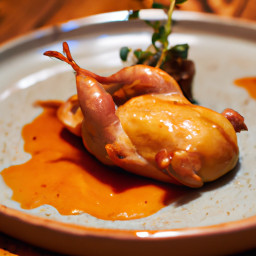
4 whole quails, cleaned and patted dry
2 tbsp (30 ml) olive oil
4 cloves garlic, minced
1 tsp lemon zest
1 tbsp fresh thyme leaves
1 tsp fresh rosemary, chopped
Salt and pepper to taste
Lemon wedges for serving
1. Preheat your oven to 400°F (200°C).
2. In a small bowl, combine olive oil, minced garlic, lemon zest, thyme, rosemary, salt, and pepper, creating a marinade.
3. Rub the herb marinade generously over each quail, both inside and out.
4. Place the quails in a roasting pan, breast side up.
5. Roast in the preheated oven for 25-30 minutes, or until the quails are golden brown and the juices run clear when pierced.
6. Let the quails rest for 5 minutes before serving with lemon wedges.
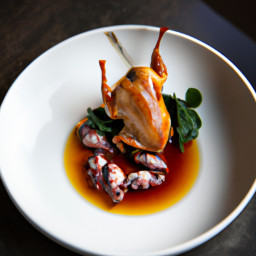
4 whole quails, cleaned
1 / 4 cup (60 ml) balsamic vinegar
2 tbsp (30 ml) honey
2 tbsp (30 ml) olive oil
1 tsp Dijon mustard
Salt and pepper to taste
A pinch red pepper flakes (optional)
Fresh parsley, chopped for garnish
1. In a small saucepan over medium heat, combine balsamic vinegar and honey. Simmer until syrupy, about 5 minutes. Set aside.
2. In a separate bowl, mix olive oil, Dijon mustard, salt, pepper, and red pepper flakes.
3. Coat the quails with the olive oil mixture, ensuring they're fully covered.
4. Preheat the grill to medium-high heat.
5. Grill the quails for 4-5 minutes on each side, or until they're cooked through and have nice grill marks.
6. Brush the grilled quails with the balsamic glaze during the last minute of cooking.
7. Remove from grill, let rest for a couple of minutes, and serve garnished with freshly chopped parsley.

1 whole pheasant, cleaned and prepared
Salt and freshly ground black pepper to taste
2 tbsp (30 ml) butter, softened
1 tbsp (15 ml) olive oil
1 onion, finely chopped
2 celery stalks, finely chopped
2 cloves garlic, minced
1 tsp dried thyme
1 tsp dried rosemary
3 cups (120 g) stale bread, cubed
1 egg, beaten
1 cup (240 ml) chicken or pheasant stock
1 / 4 cup (15 g) fresh parsley, chopped
1. Preheat your oven to 350°F (175°C).
2. Rinse the pheasant under cold water and pat dry with paper towels. Season the inside and outside with salt and pepper.
3. In a skillet over medium heat, melt 1 tablespoon of butter with the olive oil. Sauté the onion, celery, and garlic until the onion is translucent, about 5 minutes.
4. Add thyme and rosemary to the skillet, stir well, and remove from heat. Transfer the mixture to a large bowl.
5. Add the cubed bread, beaten egg, and chicken stock to the bowl with the sautéed vegetables. Mix until combined and the bread is moistened but not soggy.
6. Stuff the cavity of the pheasant with the bread mixture, then truss the bird with kitchen twine to keep the stuffing inside.
7. Rub the remaining tablespoon of butter over the skin of the pheasant. Place the bird on a rack in a roasting pan.
8. Roast the pheasant in the preheated oven for about 1 to 1.5 hours, or until the internal temperature of the stuffing reaches 165°F (74°C) and the pheasant is golden brown.
9. Let the pheasant rest for 10 minutes before carving. Serve garnished with fresh parsley.

1 whole pheasant, cleaned and cut into serving pieces
Salt to taste
Freshly ground black pepper to taste
2 tbsp (30 ml) all-purpose flour
2 tbsp (30 ml) olive oil
4 slices bacon, roughly chopped
2 onions, sliced
2 carrots, sliced
2 cloves garlic, minced
2 cups (480 ml) red wine
1 cup (240 ml) chicken or pheasant stock
1 tbsp (15 ml) tomato paste
2 bay leaves
1 tsp (5 ml) dried thyme
1 cup (70 g) mushrooms, sliced
Fresh parsley for garnish
1. Season the pheasant pieces with salt and pepper, then dredge in flour, shaking off any excess.
2. In a large Dutch oven or heavy-bottomed pot, heat the olive oil over medium-high heat. Brown the pheasant pieces on all sides, then remove and set aside.
3. In the same pot, add bacon and cook until crispy. Add onions and carrots, sautéing for about 5 minutes until the onions are soft.
4. Stir in garlic and cook for another minute. Pour in the red wine, scraping any browned bits from the bottom of the pot.
5. Add chicken stock, tomato paste, bay leaves, thyme, and bring to a simmer.
6. Return the pheasant pieces to the pot, cover, and simmer over low heat for about 1.5 to 2 hours, or until the pheasant is tender.
7. About 20 minutes before serving, add the mushrooms to the pot and let them cook until tender.
8. Remove the pheasant and vegetables from the pot. Discard the bay leaves. If desired, thicken the sauce with a little flour mixed with water.
9. Serve the pheasant hot, topped with sauce and garnished with fresh parsley.
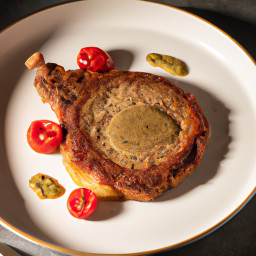
4 bone-in veal chops, about 1 inch thick
Salt and pepper, to taste
1 cup (120 g) all-purpose flour
2 large eggs
2 tbsp (30 ml) milk
2 cups (200 g) Italian breadcrumbs
1/2 cup (50 g) grated Parmesan cheese
1/2 cup (120 ml) olive oil
1 lemon, cut into wedges
2 cups (40 g) arugula
2 tbsp (30 ml) extra-virgin olive oil
1. Preheat your oven to 400°F (200°C).
2. Season the veal chops with salt and pepper on both sides.
3. Place the flour in a shallow dish. In another dish, whisk together the eggs and milk. In a third dish, combine the breadcrumbs and grated Parmesan cheese.
4. Dredge each veal chop in the flour, shaking off the excess. Dip it into the egg mixture, then coat it completely with the breadcrumb mixture, pressing gently.
5. In a large oven-safe skillet, heat the olive oil over medium-high heat. Add the veal chops and cook until golden brown on one side, about 3 minutes. Flip the chops and transfer the skillet to the preheated oven.
6. Bake the veal chops in the oven for 10-12 minutes, or until they are cooked through and golden brown.
7. Remove from the oven and let them rest for 5 minutes.
8. Meanwhile, toss the arugula with extra-virgin olive oil and a squeeze of lemon juice. Season with salt and pepper.
9. Serve each veal chop with a wedge of lemon and a generous handful of the arugula salad on top. Enjoy!
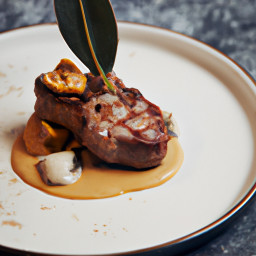
4 bone-in veal chops
Salt and freshly ground pepper, to taste
4 tbsp (60 g) unsalted butter, divided
8 to 10 fresh sage leaves
2 cloves garlic, minced
1 / 2 cup (120 ml) dry white wine
1 tbsp (15 ml) lemon juice
1. Season veal chops with salt and pepper on both sides.
2. In a large skillet, melt 2 tablespoons of butter over medium-high heat.
3. Add the veal chops and sear each side until golden brown, about 3-4 minutes per side. Remove the chops from the skillet and set aside.
4. In the same skillet, add the remaining 2 tablespoons of butter, sage leaves, and minced garlic. Sauté until the sage is fragrant and the garlic is golden.
5. Pour in the white wine and lemon juice, scraping up any browned bits from the bottom of the pan.
6. Return the veal chops to the skillet, spooning the sage butter over them.
7. Cook for another 4-5 minutes, or until the chops are cooked to your desired doneness, occasionally basting with the sauce.
8. Serve the veal chops with the sage butter drizzled on top. Enjoy with your favorite side dishes.